


Massive data dump reveals high-profile links amidst heavy redactions.
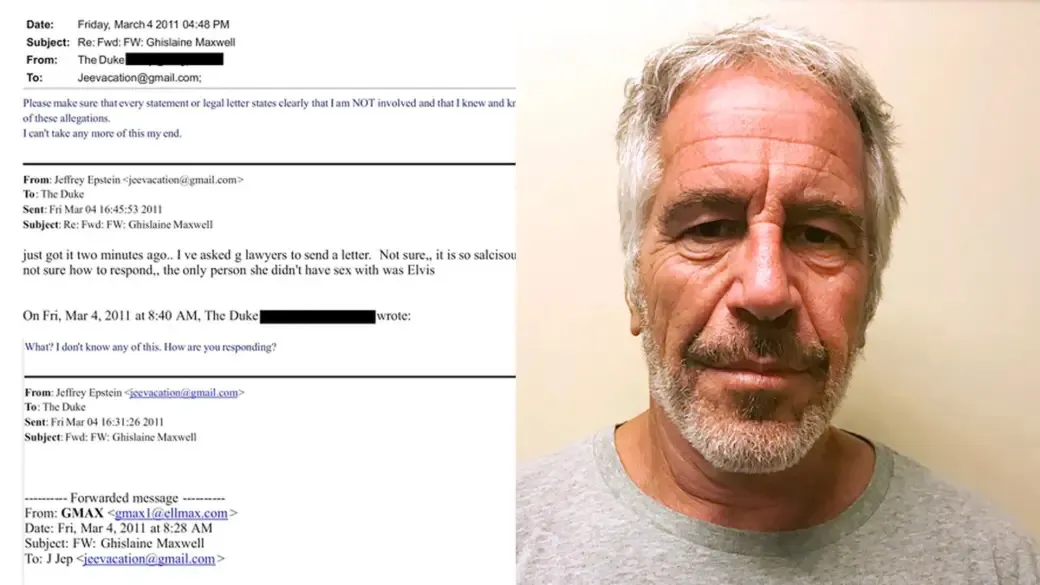
Thousands of internal records concerning the late financier and convicted sex offender Jeffrey Epstein have been made public by the US Justice Department. This massive release comes as a response to the "Epstein Files Transparency Act," a law recently passed by Congress that mandated the disclosure of unclassified investigative material. While the data dump includes thousands of pages of emails, court records, and photographs, significant portions of the text remain blacked out. Officials defended these redactions, stating they are necessary to protect the identities of victims and avoid compromising active legal inquiries.
The sheer volume of the release briefly crippled the Justice Department’s website as global interest surged. Among the most discussed elements are photographs showing Epstein interacting with powerful figures. Images featuring former President Bill Clinton and entertainers like Michael Jackson and Mick Jagger were included in the datasets. While being pictured with Epstein is not proof of criminal activity—and many individuals have previously denied any knowledge of his crimes—the visual evidence continues to fuel public scrutiny of Epstein's elite social circle.
A significant point of interest in this release is the mention of Donald Trump. Despite earlier political speculation regarding his ties to the financier, a preliminary review of the documents shows his name appears infrequently. Most references to Trump involve material already in the public domain, such as flight logs and his presence in Epstein’s address book. The documents also include a 2016 deposition where lawyer Alan Dershowitz mentioned seeing Trump at Epstein’s residence. Trump has consistently maintained that he severed ties with Epstein in the early 2000s following a dispute at his Mar-a-Lago estate.
In contrast, the files contain dozens of images of Bill Clinton, including one notable photo in a hot tub. The release also covers records related to Ghislaine Maxwell, Epstein’s longtime associate currently serving a 20-year prison sentence.
While the "Epstein Files Transparency Act" was designed to provide clarity, experts suggest the redacted nature of the files may leave many questions unanswered. The Justice Department is now required to provide Congress with a detailed summary explaining exactly what was withheld and the specific reasons for those omissions. More documents are expected to be reviewed and released in the coming weeks as the government continues to process the vast archive.