


.webp)


Washington and Riyadh finalise landmark civil nuclear power pact
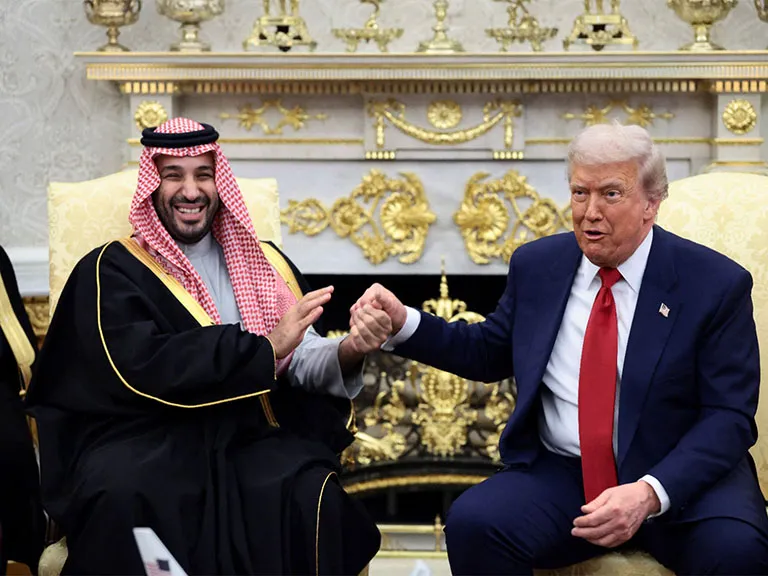
Washington and Riyadh have officially finalized a 123 agreement to establish long-term civil nuclear cooperation. United States Energy Secretary Chris Wright and Saudi Energy Minister Abdulaziz bin Salman signed the landmark accord to lay legal groundwork for a multi-billion-dollar partnership. Officials expect this alliance to bring significant economic benefits to American technology firms and secure sustainable energy supplies for the Kingdom of Saudi Arabia.
Strengthening Global Nonproliferation Efforts
This diplomatic breakthrough arrives as Washington actively tries to limit Iranian atomic ambitions, making strategic partnerships in the Middle East highly crucial for regional stability. Federal officials state that exporting domestic nuclear technology to foreign allies ensures strict adherence to nonproliferation standards. Secretary Wright emphasized that the bilateral safeguards uphold extreme safety protocols while utilizing top-tier American scientific expertise. President Donald Trump's administration championed this initiative to revitalize domestic manufacturing and restore competitive advantages in global energy markets. By expanding reactor exports under the Atomic Energy Act of 1954, policymakers aim to create high-paying jobs and boost long-term economic growth within American borders.
Next Steps For Congressional Review
Lawmakers on Capitol Hill will now examine the proposed legal text. Congressional approval remains necessary before any heavy machinery or atomic materials can cross international borders. Industry experts believe the successful implementation of this framework could effectively block rival nations, such as Russia or China, from dominating future infrastructure projects across the oil-rich Arabian Peninsula. Both nations express confidence that this framework will deepen their strategic ties while preventing any diversion of sensitive materials into unauthorized weapons programs. Riyadh sees this development as highly essential for satisfying domestic power demands. Transitioning toward alternative generation methods allows the Saudi government to preserve valuable crude oil reserves for lucrative overseas markets. American leaders hope this collaboration promotes lasting peace and mutual prosperity around the world.
With Inputs from Agency Threads and Image Courtesy: ANI
.webp)