
Washington considers maritime siege after diplomatic efforts fail in Pakistan
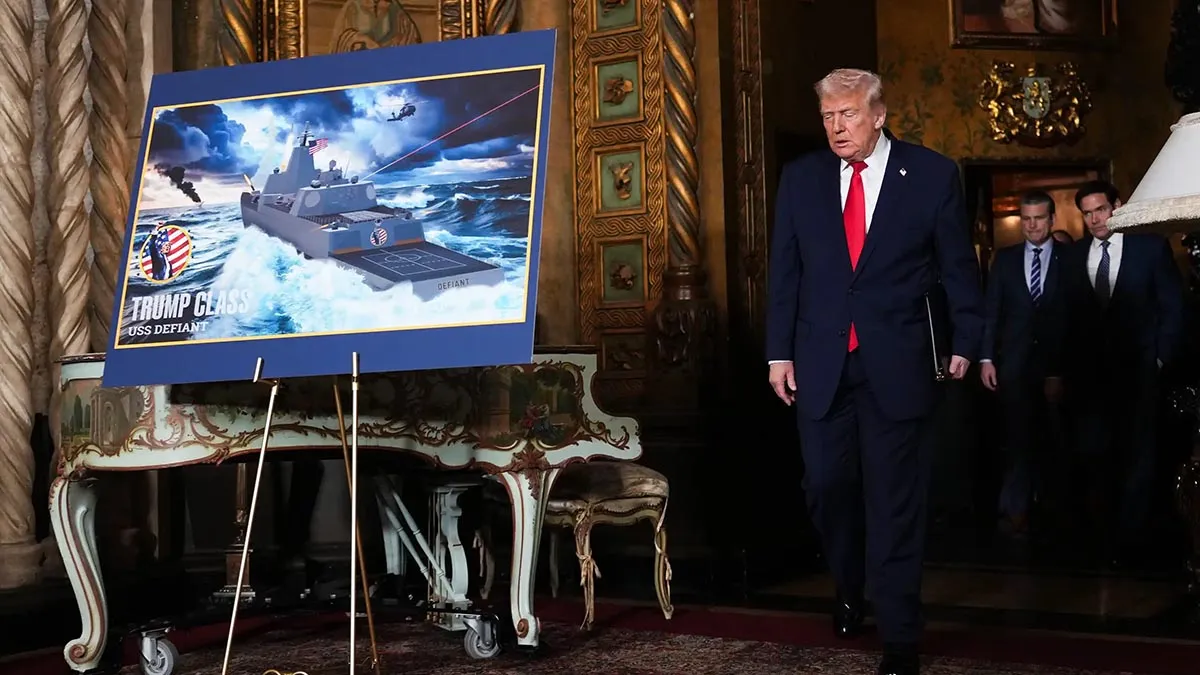
Donald Trump signaled a shift toward aggressive maritime enforcement on Sunday, sharing a report that suggests a naval blockade against Iran is now a viable strategic option. This move followed the collapse of intense, 21-hour negotiations in Islamabad, where American officials presented what they described as a "final and best offer." Vice President JD Vance departed the Pakistani capital without a breakthrough, leaving a fragile ceasefire in jeopardy and global energy markets on edge.
Escalation at the Strait of Hormuz
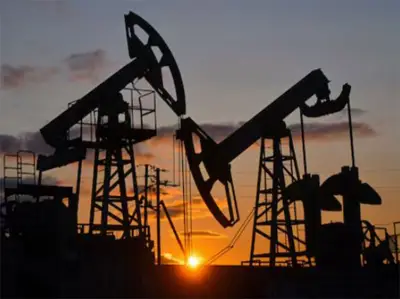
The proposed strategy mirrors a previous tactic used against the Maduro administration in Venezuela, aiming to paralyze the Iranian economy by cutting off oil revenues. US naval assets, including the USS Gerald Ford and USS Abraham Lincoln, remain positioned in the region to monitor shipping movements near Kharg Island. Tehran continues to demand security guarantees and compensation, while Washington remains firm on dismantling Iran's nuclear ambitions. Control over the Strait of Hormuz remains a central flashpoint, as nearly one-fifth of the world’s oil supply passes through this narrow waterway. History shows that such maritime tensions often lead to spikes in crude prices, which directly impact fuel costs in developing economies like India. For Odisha, a state with a growing industrial and port-driven economy, any prolonged disruption in Middle Eastern shipping lanes could influence local energy pricing and trade logistics.
Future of Regional Security
Current military posturing suggests that the administration may use the threat of a blockade to force Iran back to the table. While no formal order has been issued, the public endorsement of this "naval card" indicates a departure from soft diplomacy. Intelligence reports indicate that Iranian forces have previously utilized naval mines in these waters, making any potential blockade a high-risk operation for international shipping.