

.webp)
Washington peace proposal bypasses elected Pakistani civilian government
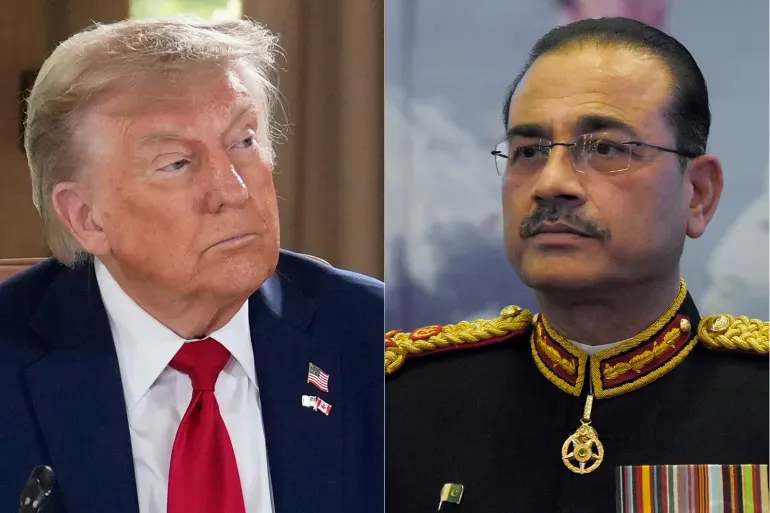
United States President Donald Trump sparked intense diplomatic tremors globally by completely ignoring Pakistani Prime Minister Shehbaz Sharif. In a public call for expanding the Abraham Accords, addressing his message directly to Army Chief Field Marshal Syed Asim Munir Ahmed Shah instead. Writing on his platform, Truth Social, the American head of state advocated for a broad regional realignment to normalize relations with Israel, naming key Muslim nations including Saudi Arabia, Qatar, Egypt, Turkey, and Pakistan. While regional counterparts were acknowledged by their standard civilian state positions, the explicit designation of Munir as Pakistan’s representative has sent ripples through international foreign policy circles. This dramatic omission exposes the internal governance dynamic of Islamabad, where the defence establishment traditionally dictates national security and external relations. Trump's direct communication channel indicates a transactional approach that focuses on actual power centers rather than constitutional formalities.
Islamabad Confronts Delicate Balancing Act
Observing this American initiative presents a profound dilemma for Pakistan. Legally and historically, the state rejects any formal recognition of Israel, tying diplomatic ties strictly to the creation of a sovereign Palestinian state based on pre-1967 borders. Diplomatic reports reveal that the military chief has built direct, quiet channels into the current US administration's inner circle. This growing alignment bypasses elected officials, consolidating defense control over critical strategic decisions. Moving closer to the American peace plan risks triggering intense domestic blowback from civil society, yet outright rejection could alienate Washington during a severe domestic fiscal crisis.
.webp)