
Israeli bombardment forces abrupt cancellation of Swiss diplomatic dialogue
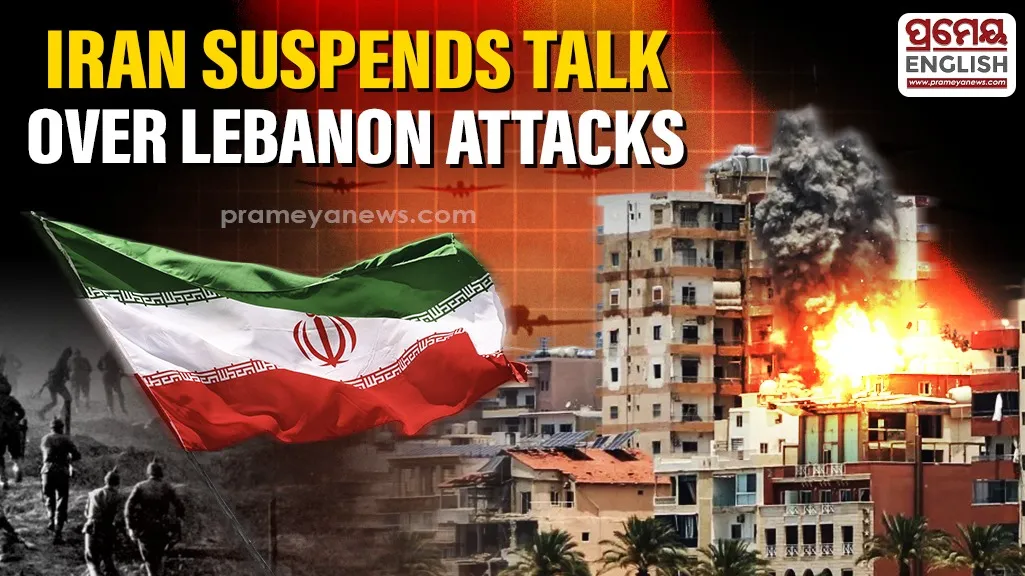
Diplomatic discussions scheduled in Switzerland dissolved on Friday after persistent Israeli strikes on Lebanon prompted Tehran to pull out of the peace process. Iranian state media confirmed that negotiations intended to solidify a recent bilateral memorandum of understanding are frozen until a verified ceasefire is established across the Lebanese border. This sudden diplomatic freeze follows the high-profile cancellation of US Vice President JD Vance's planned visit to Geneva, throwing international mediation into immediate chaos.
Tehran insists that compliance with the fourteen-point accord signed by US President Donald Trump and Iranian President Masoud Pezkeshian depends entirely on regional stability. Western powers previously abandoned a similar landmark atomic framework in 2018, creating a deep-seated legacy of geopolitical distrust that complicates current modern mediation efforts. Top Iranian negotiator Mohammad Bagher Ghalibaf explicitly declared that any perceived violation of the agreed terms would trigger an immediate, forceful response from their military command.
While Washington and Tehran sought economic compromise, Tel Aviv maintained heavy bombardments targeting Hezbollah strongholds, killing at least fifteen people on Friday. This persistent friction induced open disapproval from Trump, who faces severe internal political backlash for offering significant financial incentives to secure the temporary truce. The signed bilateral framework promises substantial relief from long-standing economic blockades, unfreezes billions in sovereign assets, and grants immediate energy export exemptions to stabilize local markets.
Control over the vital Strait of Hormuz remains a central leverage point for Iranian authorities as negotiations stall. Tehran intends to implement unprecedented maritime service fees on commercial shipping lines once the current sixty-day window expires. Meanwhile, Supreme Leader Ayatollah Mojtaba Khamenei publicly suggested that American leadership accepted the deal out of economic vulnerability, warning that upcoming technical debates regarding their domestic nuclear infrastructure will face stringent resistance if Western demands prove excessive.