
ଓଡ଼ିଆ | ENGLISH
ଓଡ଼ିଆ | ENGLISH
T20
T20

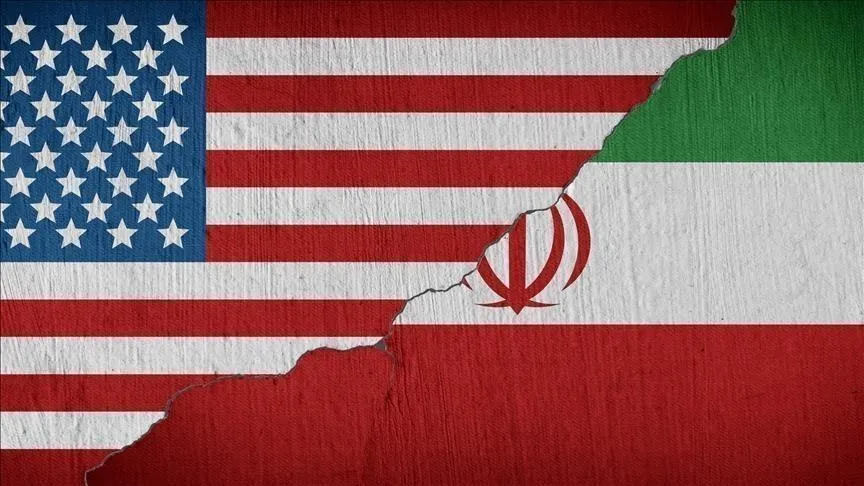
Strategic tensions rise as Tehran signals potential end to fragile ceasefire with Washington

Senior Iranian military leaders have signaled a possible return to war, citing a breakdown in trust during peace negotiations. This escalation follows US rejection of recent proposals and ongoing economic pressure through naval blockades.
Published By : Satya Mohapatra | May 2, 2026 2:40 PM
Strategic tensions rise as Tehran signals potential end to fragile ceasefire with Washington

Renewed conflict looms as Tehran questions American diplomatic reliability

Mohammad Jafar Asadi, a top official at the Khatam al-Anbiya Central Headquarters, warned on Saturday that a return to active hostilities between Iran and the United States is highly probable. Speaking through state-linked media, the Deputy Inspector claimed that Washington cannot be trusted to uphold any international agreements. These comments follow recent criticisms from US President Donald Trump regarding a fresh peace proposal sent by Tehran via Pakistani mediators.

Peace negotiations appear to have hit a wall as both nations navigate a precarious ceasefire that began in early April. While direct exchanges of fire paused recently, the underlying friction remains sharp over the ongoing naval blockade in the Gulf region. Reports suggest that US enforcement operations have already cost the Iranian economy nearly USD 5 billion in lost oil revenue. Iranian commanders now insist their forces remain in a state of high alert to counter any perceived American aggression or tactical maneuvers.

Economic Impacts and Regional Stability

Global energy markets remain sensitive to these developments, especially with the continued chokehold on the Strait of Hormuz. This narrow waterway serves as a vital artery for international trade, and any escalation could send crude prices soaring. Historically, tensions in this region have often forced Indian refineries to seek alternative suppliers to ensure domestic fuel security in Odisha and beyond.

Internal security challenges also persist within Iran. Local media recently reported that 14 members of the Revolutionary Guard died during a mission to clear unexploded munitions in the Zanjan province. This incident highlights the lasting dangers of the recent kinetic conflict, even as political leaders debate the future of the ceasefire. With President Trump claiming the war has technically terminated to avoid congressional deadlines, the gap between Washington’s rhetoric and Tehran’s military posture continues to widen. ​​​​​​​