


Islamabad demands global intervention over suspended river sharing pact
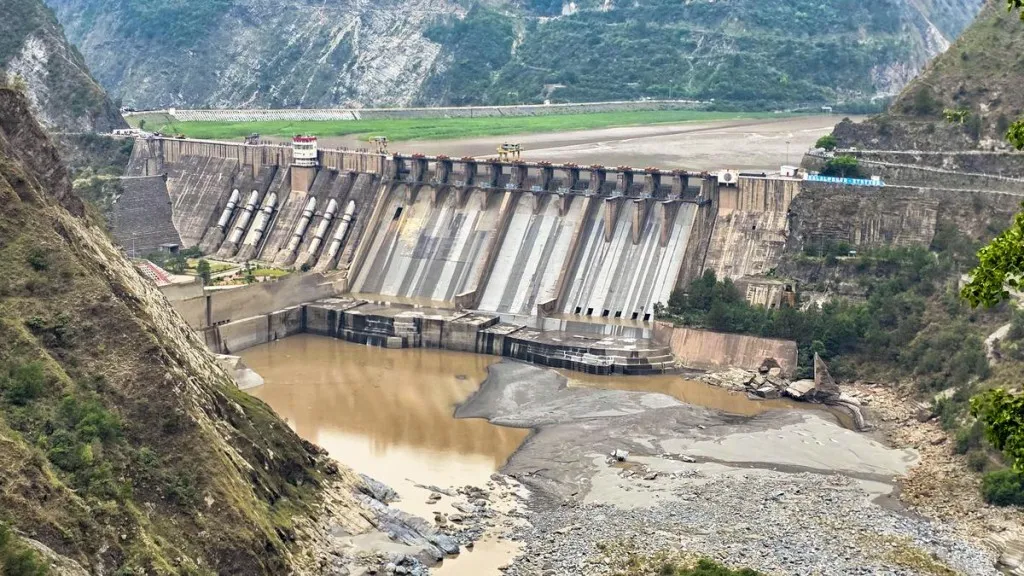
Pakistan is urgently appealing to the international community following India's decision to freeze a crucial river-sharing agreement. Government officials in Islamabad warned that freezing this historic pact threatens the foundation of all global diplomatic agreements worldwide. India halted participation in this decades-old arrangement as retaliation following a deadly militant strike in Pahalgam that claimed twenty-six civilian lives in April last year.
Regional experts note this diplomatic standoff mirrors broader South Asian geopolitical tensions, where natural resources frequently become tools for strategic leverage between bordering nations. The original agreement, negotiated with World Bank assistance back in 1960, previously survived multiple major military conflicts over the decades. Furthermore, changing climate patterns and extreme heat make potential water shortages a critical survival issue for millions across the region this upcoming summer season.
Leaders Issue Harsh Directives
Deputy Prime Minister Ishaq Dar labeled New Delhi's decision illegal during a recent high-level conference. He insisted countries should never weaponise shared rivers for political gains. Diverting allocated river flows would trigger severe consequences for regional stability, he added. Leaders representing Pakistan view any aggressive manipulation of natural resources as a direct threat to their national security and domestic agriculture.
Bhutto Zardari Demands New Laws
Former foreign minister Bilawal Bhutto Zardari urged world leaders to establish new conventions against weaponizing waterways. He emphasised that citizens living along these rivers will fiercely defend their fundamental rights without compromise. Minister Musadik Malik echoed these intense sentiments. Malik claimed the failure of this specific pact could completely dismantle post-World War II international protocols, testing the very limits of modern global diplomacy.
India Defends Strict Policy Shift
Officials in New Delhi maintain a firm stance on their recent policy shift. Speaking at a United Nations gathering, Indian representative Harish Parvathaneni clarified the government's current position. He explained that repeated militant provocations forced India into taking this harsh step to ensure absolute national security. The river-sharing agreement will remain frozen until authorities in Islamabad take credible and irreversible actions to dismantle cross-border terrorism networks. Under normal operations, India manages the eastern rivers while Pakistan relies entirely on the western tributaries for daily survival.