


Odisha district courts adopt morning shifts fighting summer heat.
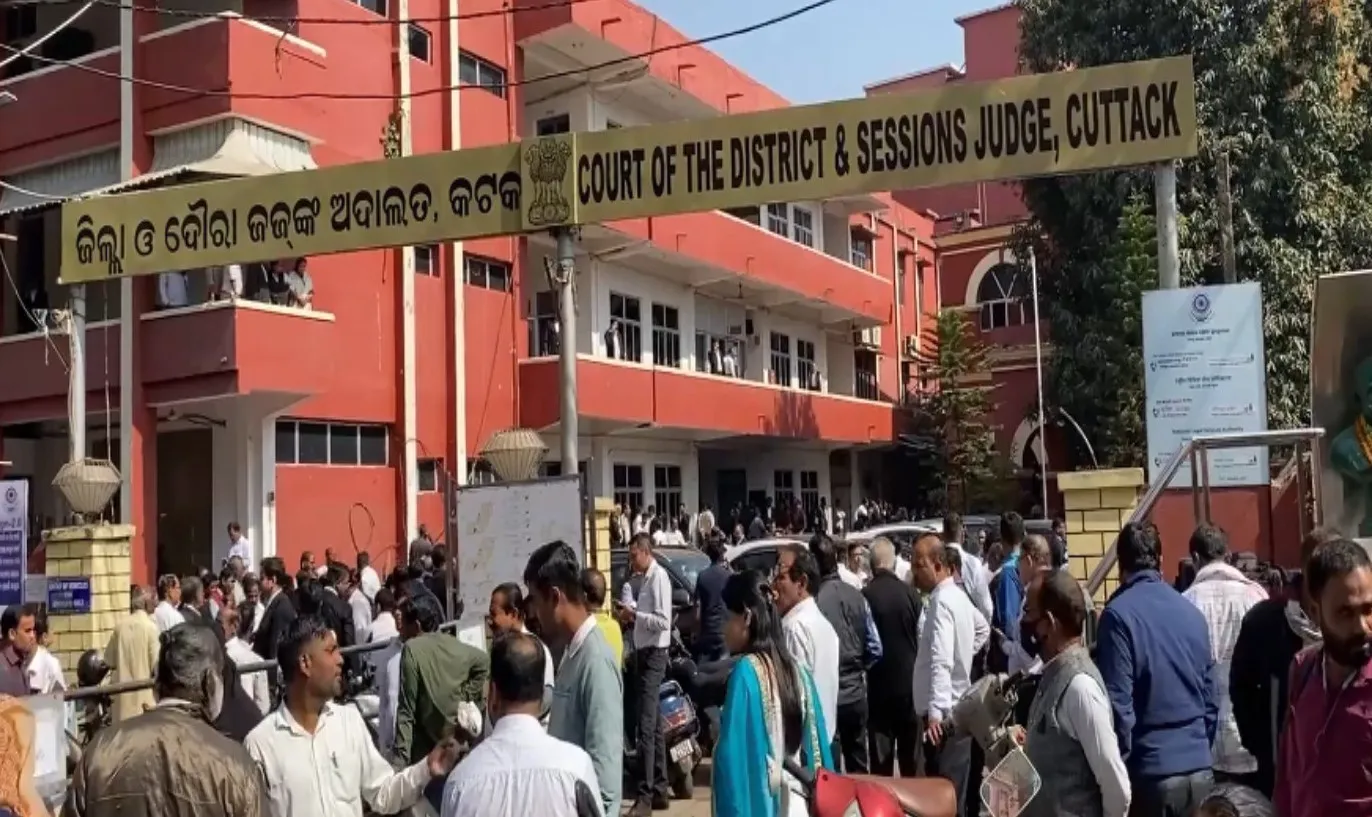
Starting April 6, 2026, district and subordinate courts across Odisha will transition to an early morning operational schedule to protect legal staff, judges, and citizens from extreme summer temperatures. Historically, Odisha experiences brutal heatwaves with temperatures often breaching 40 degrees Celsius during the pre-monsoon months of April and May, prompting various state government institutions to proactively adjust working hours for public safety. By initiating earlier start times, judicial administrators aim to minimize daily exposure to the scorching midday sun.
Revised Judicial Timetables
Judicial activities will officially begin at 7:00 AM and conclude by 1:00 PM under this updated framework. Legal proceedings inside the actual courtroom are scheduled strictly between 7:30 AM and 12:30 PM. Officials have also incorporated a brief thirty-minute recess running from 10:00 AM to 10:30 AM, ensuring personnel receive adequate breaks during the fast-paced morning sessions. This early timetable remains fully active until the final working day before the annual summer recess begins.
Specific Locations Exempted
Authorities decided to exempt a select group of urban centers from these seasonal modifications. Legal facilities situated in Bhubaneswar, Berhampur, Chhatrapur, Koraput (Sadar), and Puri (Sadar) will maintain their standard daytime schedules without interruption. Observers suggest local coastal micro-climates or distinct regional administrative requirements might explain why these specific locations avoided the mandatory early shift.
National Heat Management Strategies
Heat-related accommodations are gaining significant traction across India's broader judicial landscape. Legal councils in multiple states are presently implementing their own seasonal adjustments to combat rising temperatures. Judicial administrators overseeing Punjab and Haryana recently suspended the mandatory wearing of heavy black gowns for legal professionals through late October. Similarly, Kerala’s registry office made traditional coats entirely optional for practicing lawyers, responding directly to passionate appeals about unbearable humidity levels inside un-air-conditioned courtrooms.
Shifting operational hours represents a more structural approach to heat management compared to wardrobe adjustments. By altering daily timetables, judicial leaders in Odisha are prioritizing meaningful changes to ensure safe and continuous access to justice during the harshest weather conditions of the year.
With inputs from Public Domain and Advocate Uma Kanta Tandi, Advocate, Orissa High Court, Cuttack