



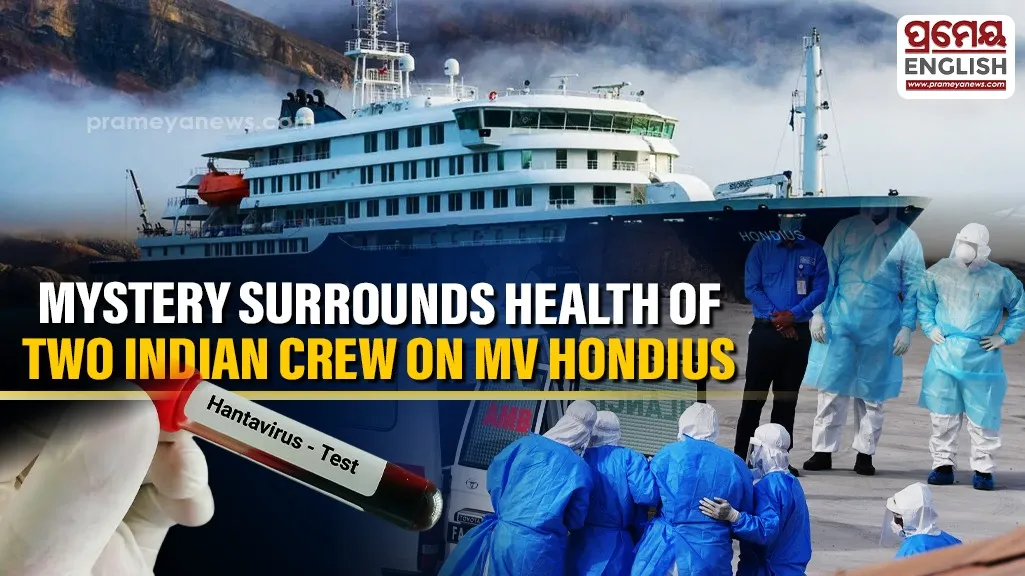
Indian sailors remain on vessel as lethal virus spreads
Two Indian crew members are currently isolated aboard the MV Hondius expedition ship following a lethal Hantavirus outbreak that has claimed three lives. The Dutch-operated vessel, carrying 149 people from 23 different nations, is navigating the Atlantic Ocean under strict health protocols. While the identities of the Indian staff remain protected, their presence on the ship highlights the risks faced by India’s vast maritime workforce during global health emergencies.
Origin of the Atlantic Crisis
Investigators believe the infection started during a birdwatching excursion in Ushuaia, Argentina. A couple likely inhaled contaminated dust containing rodent droppings before boarding the ship. This specific "Andes strain" is particularly concerning because it allows for limited human-to-human transmission through close contact. Unlike common respiratory infections, this virus typically requires intimate proximity, such as sharing a cabin or providing direct medical assistance, to jump between hosts.
Current Situation at Sea
Medical teams have confirmed eight infections so far. The ship recently departed Cape Verde and is currently steaming toward Tenerife in the Canary Islands, where it is expected to dock on May 11. Three critically ill passengers have already been evacuated via air ambulance to specialised facilities in Johannesburg. Global health authorities are now tracking over 80 individuals who may have shared flights with early victims before the official diagnosis.
While the Asian variety typically impacts kidney function, the American strain found on the MV Hondius targets the lungs, leading to severe respiratory distress. World Health Organization officials maintain that the general public risk remains low, yet they caution about the long incubation period. Symptoms can take up to eight weeks to appear, meaning new cases might emerge long after passengers return home. For the two Indian sailors, the coming days in Tenerife will be decisive as local authorities begin comprehensive screening and disinfection of the vessel.