


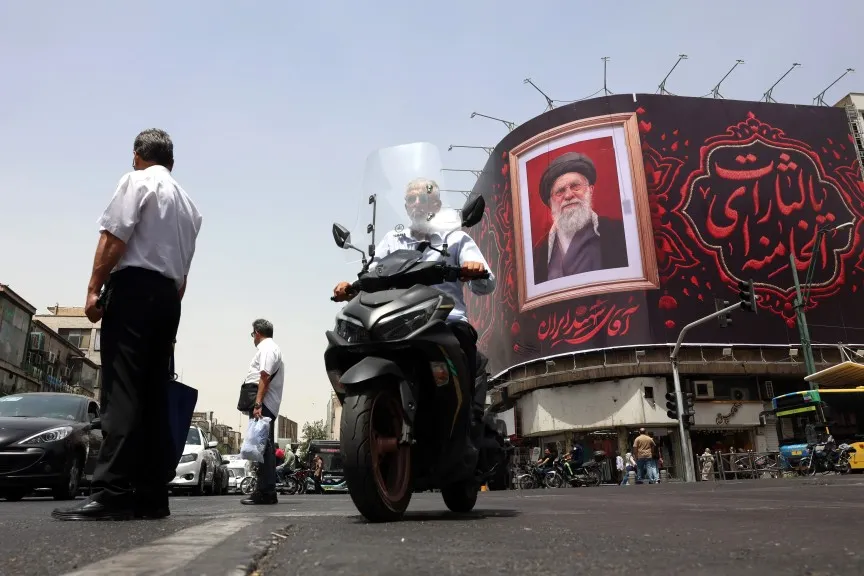
Tehran prepares for Ayatollah Khamenei funeral under high security
Black clad mourners packed the streets of Tehran today as Iran prepares for the multi-day funeral of late Supreme Leader Ayatollah Ali Khamenei. Official public ceremonies will run from July 4 through July 9 across major cities in Iran and Iraq, drawing official delegations from nearly one hundred nations. This highly anticipated event occurs more than four months after the leader died during military strikes involving American and Israeli forces on February 28.
Strict Security Enforced
Security forces have deployed heavily across the capital to maintain public order during this historic gathering. The new Supreme Leader, Mojtaba Khamenei, will skip his father's ceremonies entirely due to active safety threats. Intense speculation continues to swirl around his physical condition, with American officials claiming he suffered severe facial burns in the February attacks, while domestic medical reports insist his wounds were highly superficial. Iranian military commanders warned regional adversaries against any aggression during the mourning period, promising swift retaliation.
Global Dignitaries Gather in Tehran
International representatives are arriving to solidify regional partnerships during this transition. India is sending a high-level official delegation including Bihar Governor Syed Ata Hasnain and Minister of State for External Affairs Pabitra Margherita. Other prominent attendees include Pakistani Prime Minister Shehbaz Sharif and Chinese representative He Wei. Historically, India maintains crucial diplomatic ties with Iran to protect its energy security and strategic regional connectivity projects like the Chabahar port.
Religious Protocol Explains Burial Delay
Counterterrorism experts revealed that the four-month gap between the leader's death and his final burial relied on specialised low-temperature facilities rather than standard chemical procedures. Islamic traditions strictly forbid chemical embalming processes. Scholars noted that Shia jurisprudence permits temporary cold storage preservation under extraordinary circumstances, ensuring the body remained legally preserved while the government finalised these elaborate multi-city state rituals.