


Motorists demand accountability as blended petrol damages older vehicles
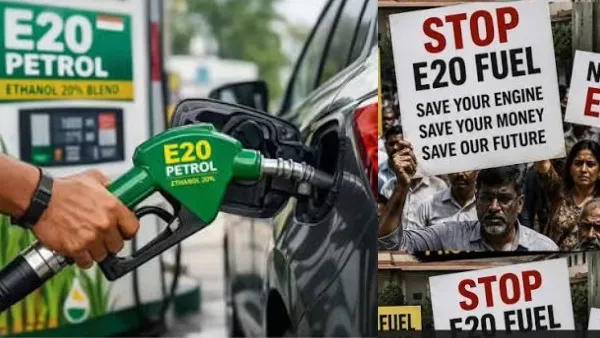
Disgruntled vehicle owners gathered at New Delhi's Jantar Mantar on Sunday to voice frustrations over the national ethanol-blending programme. Citizens claim that E20 petrol is severely damaging their older cars. Entrepreneur Tehseen Poonawala and his group Team Bharat organised this demonstration under a slogan demanding vehicle rights. Many drivers report stalled engines, choked fuel systems, and steep repair bills since filling their tanks with the new fuel blend. Critics argue this rapid rollout functions as an untested experiment on regular citizens. India pushed the ethanol blending policy nationwide much faster than initially anticipated. Real mechanical problems reported by drivers
Protesters shared alarming personal stories of sudden mechanical failures. Software engineer Sarthak noted a 22% drop in his car's mileage over just two months. Another driver, Raj Singh, spent over Rs 35,000 replacing his entire fuel system after his engine warning lights came on. Service centres are reportedly receiving multiple cars daily with similar fuel system problems. Rally driver Ratan Dhillon stated that ethanol easily chokes the fuel filter and pipelines, which can cost up to Rs 80,000 to replace in standard mid-range vehicles.
Cost concerns and lack of fuel options
Drivers are strongly demanding the right to choose their fuel. Pure petrol remains available but costs significantly more than the ethanol-blended petrol option. Protesters pointed out that ordinary vehicle owners bear the entire financial burden of reduced efficiency and frequent maintenance. While government officials cite foreign exchange savings and lower emissions, citizens at the rally requested transparency and better testing before enforcing such drastic changes.
Demonstrators also highlighted strong political connections within the sugar industry, which profits heavily from ethanol production. States with numerous sugar mills benefit directly from this swift policy shift. Participants feel this creates a conflict of interest at the expense of regular car owners. Unlike other nations that adopted higher blends slowly with flex-fuel options, India implemented its mandate very swiftly.