


Maruti Dzire secures top spot in Indian car market
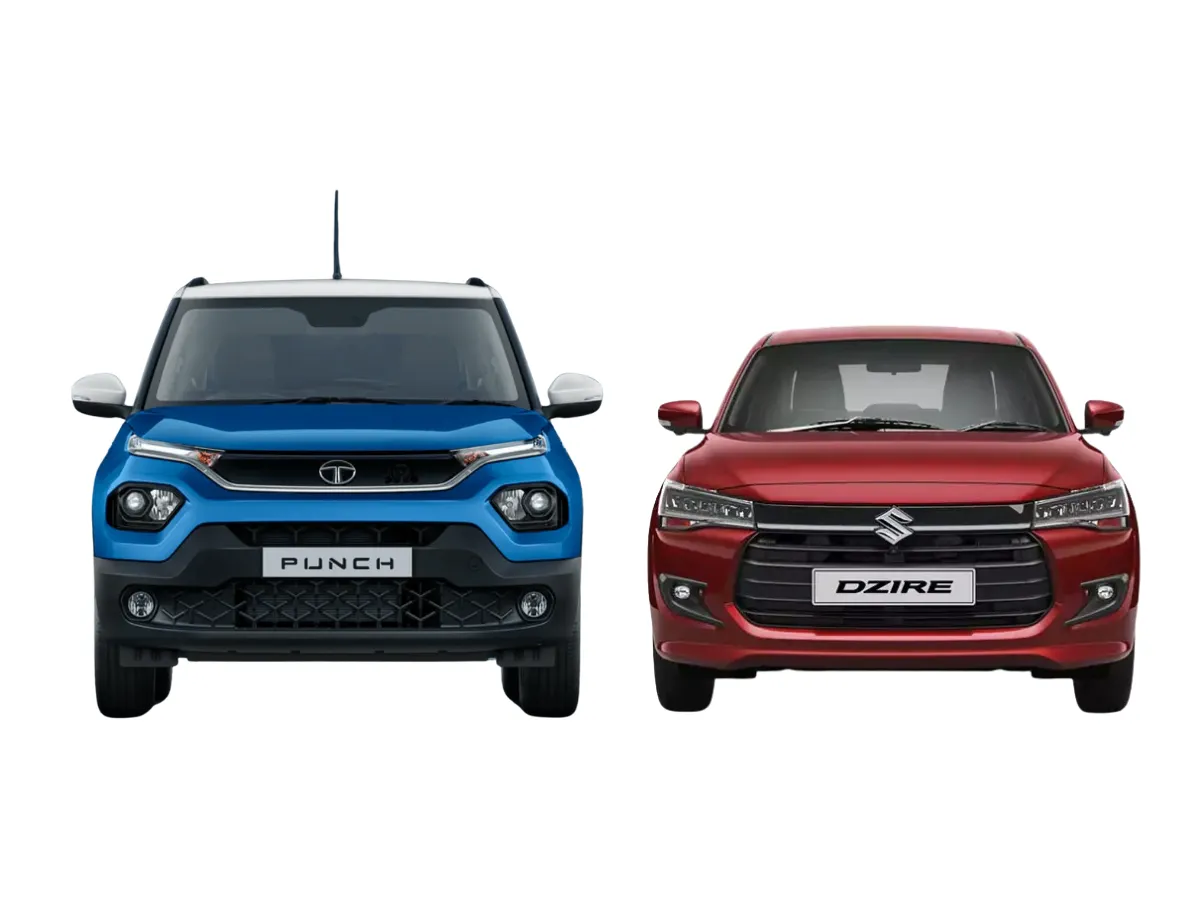
Maruti Suzuki Dzire has claimed the title of India's best-selling passenger vehicle for April 2026, defying the broader industry shift toward high-riding vehicles. Recent data shows the compact sedan recorded over 23,580 unit sales, successfully outpacing heavyweights like the Tata Punch which recorded at 19, 107. This performance marks a significant moment for the sedan segment, which many analysts previously thought was losing ground to the micro-SUV craze.
Compact Sedans Hold Firm
While the Tata Punch continues to lead the SUV category specifically, it narrowly missed the overall top position. The Dzire's success is largely attributed to its updated Z-series engine and high fuel efficiency, which remains a priority for Indian middle-class families. Interestingly, in regions like Odisha, where road connectivity to rural hubs is expanding, the demand for fuel-efficient and easy-to-maintain sedans like the Dzire remains notably resilient compared to pricier mid-size SUVs.
SUV Segment Dynamics
Tata Motors maintained a strong presence with the Punch and Nexon securing the second and third spots, respectively. Both models benefited from recent feature updates and a growing preference for safety-rated vehicles. Meanwhile, the Hyundai Creta maintained steady numbers, holding its position as a favorite in the premium mid-size bracket.
Market Shift Observations
Industry experts suggest that while SUVs represent nearly 50% of the market, the volume leader status of a sedan highlights a "value-first" approach among buyers. Lower maintenance costs and competitive pricing continue to act as a draw for those not yet ready to transition to the SUV form factor.