
.webp)


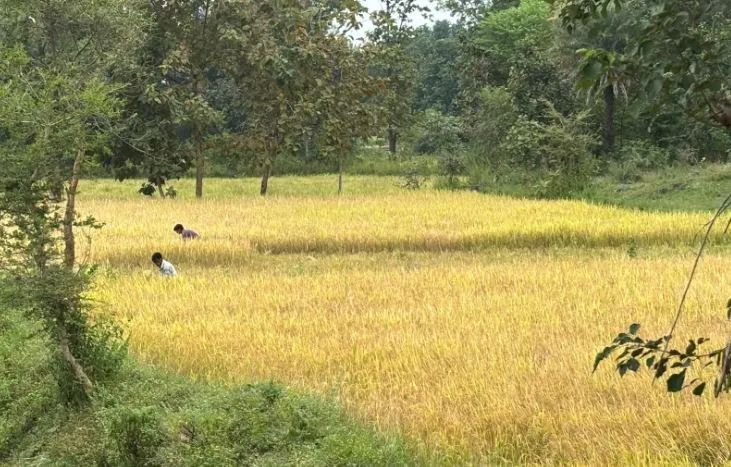
Bhubaneswar, July 9:LongStraw Carbon is advancing a sustainable model of climate action in Odisha's Kalahandi district by converting agricultural waste into biochar, a carbon removal solution that also creates employment, strengthens rural economies, and improves soil health.
Situated in the Eastern Ghats, Kalahandi is home to several tribal communities, including the Kondh, Gond, Bhunjia, and Paraja. While the region is known for its rich biodiversity and its proximity to the Karlapat Wildlife Sanctuary, it has long struggled with recurring droughts, unpredictable monsoon patterns, and seasonal migration due to limited livelihood opportunities.
To address these challenges, LongStraw Carbon has established a biochar production initiative that sources rice husk and other agricultural residues from local rice mills and supply networks. Rather than allowing this biomass to be burned or discarded, the company converts it into biochar, locking away carbon for the long term while creating value from agricultural by-products.
The initiative is generating employment across multiple stages of the value chain, including biomass collection, transportation, processing, quality assurance, and field operations. Many of these opportunities are being created for women from nearby tribal communities, providing a reliable source of income and helping reduce dependence on seasonal migration.
In addition to creating livelihoods, the project contributes to environmental sustainability. Biochar is widely recognised for its ability to improve soil structure, increase water retention, promote beneficial microbial activity, and reduce nutrient loss. These advantages can enhance agricultural productivity and resilience, particularly in drought-prone regions such as western Odisha.
By integrating carbon removal with rural employment and sustainable farming practices, LongStraw Carbon is demonstrating how climate solutions can deliver both environmental and socio-economic benefits. The initiative offers a scalable approach to inclusive rural development while supporting India's broader sustainability and climate objectives.
.webp)