

.webp)


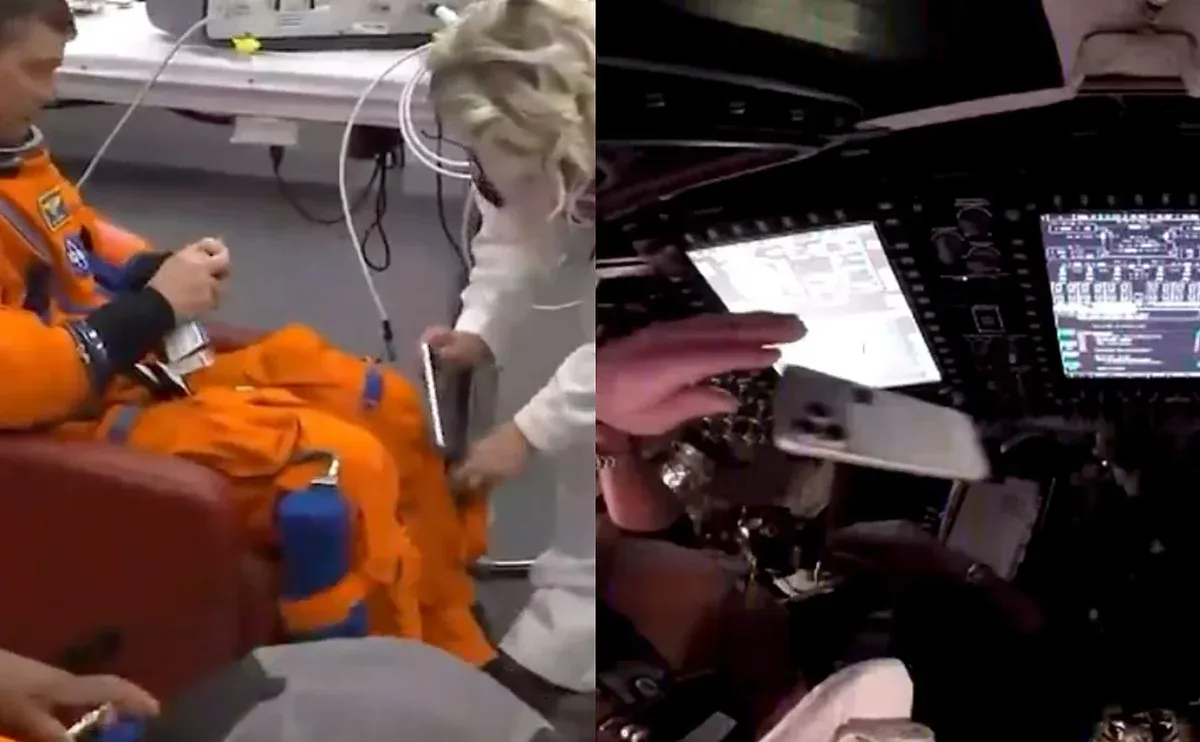
NASA certified iPhone 17 Pro for Artemis II lunar mission
Astronauts aboard the Artemis II mission have carried the iPhone 17 Pro Max to document their journey around the Moon. This decision marks a significant shift in NASA’s hardware policy, moving away from decade-old DSLR systems toward modern consumer electronics. While these devices appear identical to those found on Earth, they underwent a grueling four-phase validation process to ensure they do not endanger the Orion crew.
Safety beyond Earthly Standards
Engineers focused on hazard identification to prevent catastrophic failures in a pressurized cabin. A major concern involved the "Ceramic Shield" glass; in microgravity, shattered fragments do not fall to the floor but float as lethal projectiles. Consequently, the hardware was scrutinised for battery stability and heat dissipation in an environment lacking natural convection. To mitigate risks, the smartphones operate with all wireless connectivity including Bluetooth and Wi-Fi were permanently disabled to prevent interference with critical flight systems.
Capturing the Lunar Frontier
These handsets serve as secondary documentation tools alongside professional Nikon and GoPro gear. Historically, NASA hardware certification moves at a glacial pace, often resulting in astronauts using technology that is years behind the commercial market. By fast-tracking the iPhone 17 Pro, the agency aimed to provide more relatable, high-definition imagery for the public. Interestingly, some devices are even outfitted with specialized Velcro patches, allowing the crew to secure them to flight suits or cabin walls during high-G maneuvers.
Mission Impact and Context
Integrating modern mobile tech offers a psychological bridge between Earth and deep space. For the first time since the Apollo era, humans will travel beyond low Earth orbit, and providing familiar interfaces helps maintain crew morale during the ten-day transit. This initiative reflects a broader push by NASA to leverage commercial innovation for deep-space exploration, potentially setting a precedent for future Mars missions where compact, multi-functional tools will be vital.
.webp)