
.webp)


Senior minister admits strategic blunders regarding US alliance and India
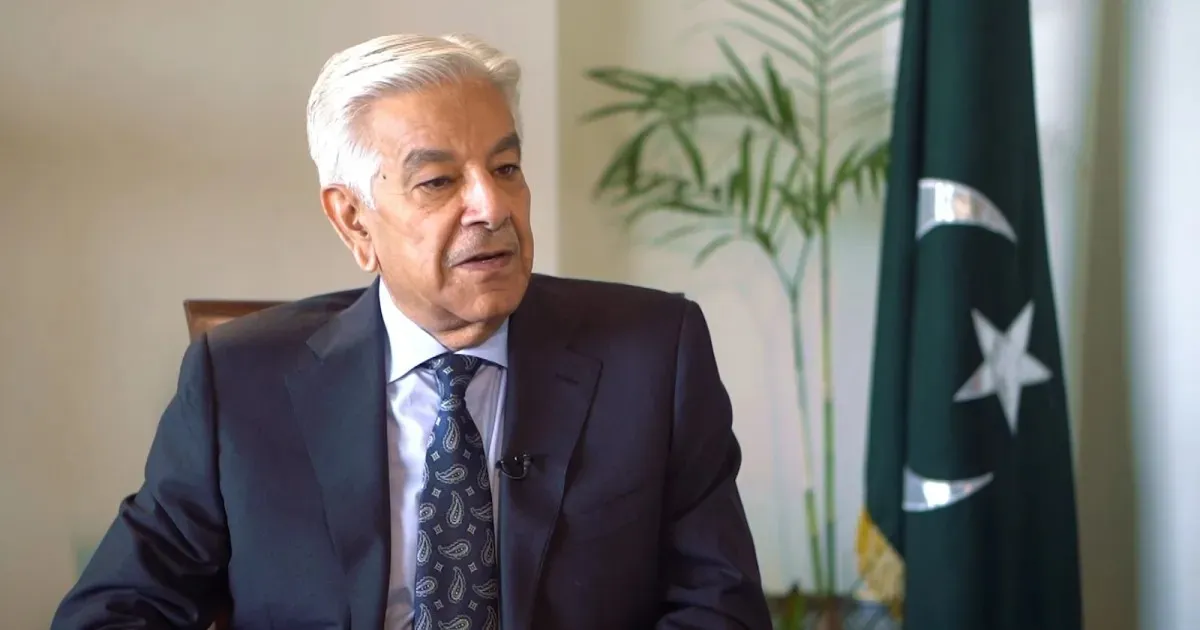
In a startling admission that has sent shockwaves through geopolitical circles, Pakistan Defence Minister Khwaja Asif has stated that the United States treated his country "worse than toilet paper." Speaking candidly in the National Assembly, Asif lamented that Washington used Pakistan for its own strategic wars in Afghanistan and then discarded Islamabad once its objectives were met.
This rare public confession highlights the deep frustration within the Pakistani leadership. Asif argued that Pakistan’s decision to align with the US after 1999 was a catastrophic mistake. He noted that the country "rented" itself out to American interests for decades, not for religious duty or jihad, but solely to gain political legitimacy and financial support from a superpower.
Price of the Kashmir Obsession
While Asif focused heavily on American betrayal, analysts point to a deeper root cause for this dependency: Pakistan's singular obsession with Kashmir and India. To maintain parity with its larger neighbour, Islamabad needed sophisticated weapons and billions of dollars.
Historically, Pakistan positioned itself as a "frontline state" for the US—first against the Soviets and later against the Taliban—primarily to secure funds that were often diverted to bolster its defences against India. This "India-centric" policy forced Pakistan to compromise its strategic autonomy. Asif admitted that past military dictators, including Zia-ul-Haq and Pervez Musharraf, entangled the nation in foreign wars to secure American backing, leaving the country in a state of ruin today.
Consequences of a 'Rented' Foreign Policy
The consequences of these choices are now visible in Pakistan's crumbling economy. Asif pointed out that while the US withdrew, Pakistan was left to deal with radicalisation, violence, and a shattered education system.
The minister’s comments come at a time when Pakistan is grappling with inflation touching 6% and a stagnant GDP. By prioritizing military "strategic depth" over human development, the country missed crucial opportunities to build a stable economy. Asif concluded with a somber warning: until the nation admits these historic mistakes, there can be no real improvement.
Image Source: Al Jazeera
.webp)