
Indian gas ships successfully navigate critical Middle East waterways
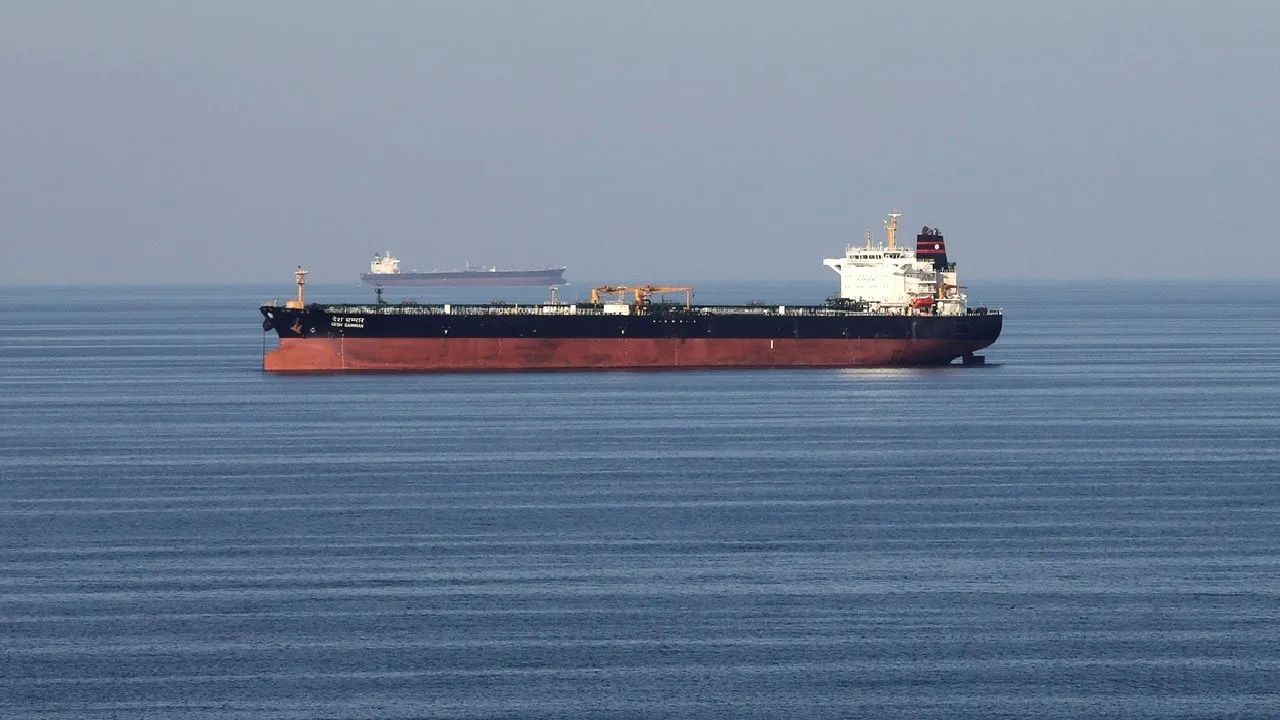
Iranian officials have officially granted safe passage to two gas carriers flying Indian colours. Navigating through the highly contested Strait of Hormuz, these vessels are bringing in crucial liquefied petroleum gas. One specific ship, named Shivalik, is currently charting its course through the Gulf of Oman and should reach its final port by March 21. This specific movement brings a massive sigh of relief amidst heavy geopolitical tension, especially for ordinary citizens who rely heavily on steady fuel imports for their daily needs.
Protecting Indian Sailors Overseas
Government authorities are working around the clock to protect maritime workers deployed in the Persian Gulf. Currently, twenty-four domestic vessels carrying nearly seven hundred crew members are operating across these volatile waters. Officials confirm that seventy-six sailors remain stationed on three different boats positioned just east of the strait. Safety measures are being tightly coordinated between shipping regulators, vessel owners, and diplomatic missions. Furthermore, emergency control rooms have successfully managed thousands of distressed communications. Thanks to these dedicated rapid response efforts, over two hundred stranded maritime professionals have already returned home safely to their families.
Strong Ties Ensure Continued Movement
Diplomatic relationships are playing a massive role in keeping critical trade routes functional. Mohammad Fathali, representing Tehran in New Delhi, assured that domestic ships will face no hurdles while crossing this essential energy corridor. He highlighted the deep-rooted friendship and shared destiny binding both nations together. When asked about future transit permissions, he firmly stated that mutual suffering dictates mutual support. Such strong bilateral bonds guarantee that crucial energy supplies keep flowing toward domestic shores without major interruptions, securing local markets against immediate shortages.
Navigating Ongoing Global Tensions
Recent clashes in West Asia have severely disrupted standard shipping lanes. Tensions skyrocketed late last month following military strikes involving global powers, which tragically claimed the life of Iran's top religious leader. Subsequent retaliatory actions have heavily impacted international energy markets. Despite these severe disruptions, representatives from Tehran maintain that they never intended to block this strategic waterway. Abdul Majid Hakeem Ilahi clarified that while general movement remains difficult, specific allied vessels can still cross safely. He passionately urged global leaders to intervene and halt the escalating conflict, pointing out how rising oil prices negatively impact ordinary citizens worldwide.
With Agency Inputs and File Photo