


India firmly refuses treaty resumption without complete terror cessation
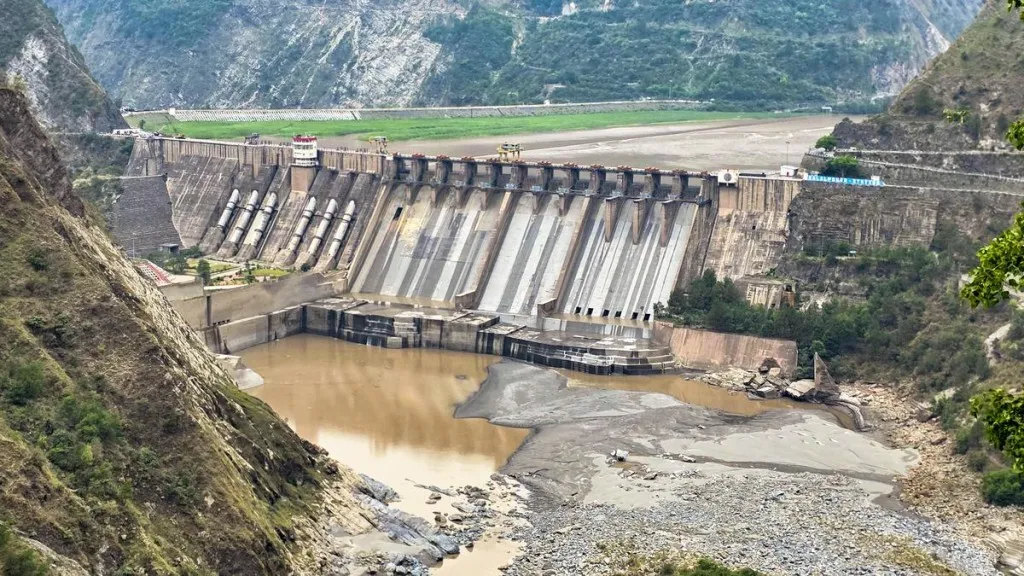
New Delhi officially confirmed its unwavering position regarding the Indus Waters Treaty, declaring that normal river operations will remain fully suspended until Pakistan entirely stops funding cross-border extremism.Responding directly to aggressive statements from neighboring politicians, Ministry of External Affairs spokesperson Randhir Jaiswal reiterated that holding back regional water cooperation serves as a direct consequence of persistent militant activities.Officials clearly stated no diplomatic shift will occur before verifiable actions against militant safe havens happen on the ground.
India originally signed this World Bank-mediated resource agreement during September 1960, but officially paused obligations following the tragic April 2025 Pahalgam attack which claimed 26 innocent civilian lives.Recent diplomatic briefings reveal Pakistani officials attempting to rally global sympathy by claiming Indian actions set dangerous international precedents for transboundary rivers.Deputy Prime Minister Ishaq Dar recently hosted an event attempting to frame New Delhi's stance as legally void, while former minister Bilawal Bhutto Zardari irresponsibly threatened deploying nuclear options if resource disputes remain unresolved.
Refusing External Pressure
Despite these escalating rhetorical threats, Indian strategic planners refuse to yield.Government representatives firmly reject any jurisdiction claims by illegally constituted arbitration courts regarding sovereign national security decisions.Authorities continue to highlight how their neighbors consistently mislead international bodies about domestic water shortages, which are caused largely by internal mismanagement rather than external policies.
International partners increasingly recognize the regional threat posed by state-sponsored militant groups. Japan recently joined New Delhi in issuing strict statements demanding immediate global action to dismantle financial networks supporting these violent organizations. Alongside these developments, Indian diplomats strongly criticized recent aerial bombardments conducted by Pakistani military forces inside Afghanistan. Officials expressed deep sorrow over resulting civilian casualties while reaffirming their strong commitment to supporting Afghan territorial sovereignty through ongoing humanitarian assistance programs.