Honda City Facelift debuts in India at Rs 12 lakh
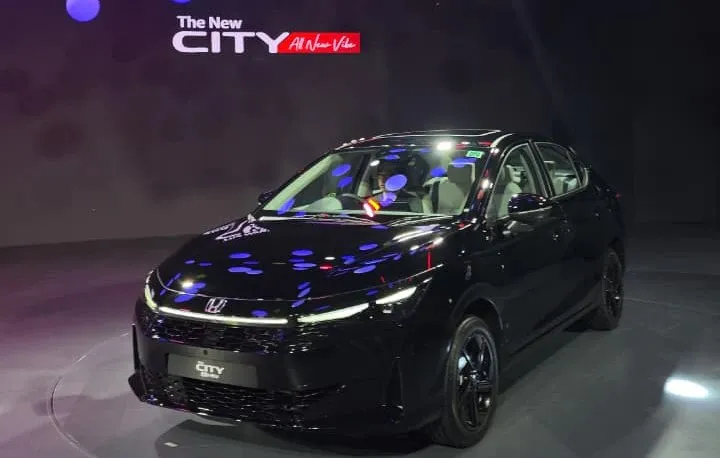
Honda Cars India introduced the refreshed Honda City Facelift on May 22, 2026, targeting buyers looking for a premium driving experience with a starting price of Rs 12 lakh (ex-showroom). This revised mid-size vehicle will roll out from the automaker's Tapukara production plant located in Rajasthan. Alongside this launch, the brand showcased its long-term strategy for the country, indicating that local buyers remain central to its international expansion plans. In major automotive hubs like Odisha, mid-size executive sedans maintain a strong presence among working professionals who prioritize highway reliability over high-riding utility vehicles.
Fresh Aesthetic Changes Outside
Visually, the updated vehicle receives a flatter, sharper nose line inspired by global design patterns. It incorporates bi-LED projector headlights across all variants as a standard specification, linked together by a sleek light-emitting diode bar. Designers added a reworked blacked-out front mesh layout, sharp triangular housing units for the fog lamps, and newly crafted 16-inch dual-tone alloy wheels. At the back, the rear bumper exhibits an updated lower profile with vertically oriented reflectors accompanying the signature light assemblies.
Elevated Comfort And Cabin Technology
Interior revisions directly address long-standing consumer requests for modern convenience features. Drivers now get a larger 10.25-inch floating touchscreen control console alongside a fully digital driver display cluster. Comfort levels increase with the integration of ventilated front chairs, a multi-angle 360-degree camera package, and ambient internal cabin lighting. For enhanced safety protection, higher trim configurations come equipped with the proprietary Honda Sensing ADAS setup, which utilizes specialized camera sensors to help mitigate collision risks.
Retained Powertrains And Segment Competition
Engine arrangements remain identical to the previous generation, offering reliable performance without mechanical alterations. The entry setup uses a 1.5-litre four-cylinder naturally aspirated petrol unit delivering 121 horsepower, utilizing a six-speed manual configuration or a continuously variable transmission. Buyers looking for maximum efficiency can opt for the e:HEV strong hybrid iteration, combining an Atkinson-cycle engine with an electric powertrain to produce 126 horsepower. This updated vehicle is poised to protect its market share against formidable mid-size segment competitors including the Hyundai Verna, Volkswagen Virtus, and Skoda Slavia.


.webp)


.webp)