Hezbollah invisible weapons exploit gaps in modern air defence systems
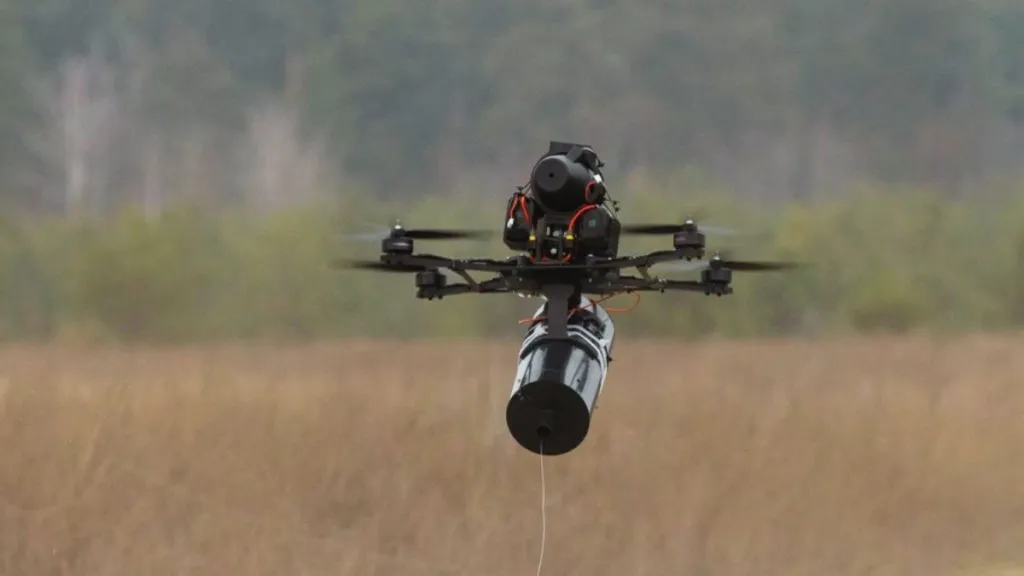
Hezbollah’s use of fiber-optic drones has neutralised traditional electronic warfare tactics on the Lebanese border. These undetectable weapons are forcing the Israeli military to rethink its defensive strategies as low-cost technology challenges advanced radar.
Published By : Satya Mohapatra
| May 4, 2026 12:32 PM
Low-cost fiber drones now outpace sophisticated Israeli missile interceptors
Hezbollah forces recently deployed advanced fiber-optic guided drones against Israeli military positions, marking a significant shift in the technological landscape of the Lebanon conflict. These small, agile devices are physically connected to their operators by a thin wire, which allows them to function without transmitting radio signals. This physical link makes them immune to the electronic jamming equipment that the IDF typically uses to neutralize unmanned aerial vehicles.
Invisible Threats in Northern Skies
Traditional air defense systems like the Iron Dome are designed to track and intercept metal rockets and wireless signals. However, these new "silent killers" are often constructed from lightweight fiberglass, making them difficult for radar to detect. Because they fly at low altitudes and emit no electronic signature, they can strike armored vehicles and infantry units with high precision before any alarm sounds. Recent reports indicate that these first-person view (FPV) drones have caused casualties among Israeli troops in southern Lebanon, highlighting a gap in current defense readiness.
Military analysts note that while Israel is developing the "Iron Beam" laser system to counter such threats, the technology is not yet fully operational for mobile units.This evolution in warfare mirrors patterns seen in global conflicts where low-cost, off-the-shelf technology is modified to challenge billion-dollar defense infrastructures. In a similar vein to how regional tensions often ripple through international markets, the disruption on the Israel-Lebanon border continues to influence global security discussions regarding the future of autonomous combat.
Soldiers on the front lines have resorted to using physical nets and small arms fire to intercept these projectiles. Without a systemic electronic solution, the military relies on visual spotting, which is often insufficient against high-speed suicide drones. The use of tethered technology ensures that the operator's location remains hidden, preventing immediate retaliatory strikes on the launch point.