

.webp)
Consumers face another financial blow as cooking gas rates rise
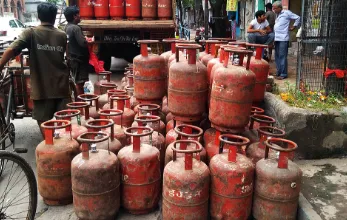
Households across India must stretch their budgets further as domestic cylinder prices rise by Rs 29 today, bringing the total cost of a standard 14.2-kg refill to Rs 942 in Delhi. This recent adjustment marks the second LPG price hike in barely three months, following a steep Rs 60 increase implemented earlier in March. Families in states like Odisha will quickly feel the financial pinch, as this continuous upward trend directly inflates monthly living expenses for ordinary citizens.
Global Tensions Impact Local Markets
Rising international fuel costs are strongly driving these domestic market changes. Ongoing conflicts in West Asia have severely disrupted global energy supply chains, forcing state-run oil marketing companies to absorb heavy financial hits. Before this most recent revision, retailers were losing roughly Rs 703 on every single cooking gas cylinder sold. Petroleum Ministry authorities point out that fuel costs are climbing across the board. Petrol and diesel rates have also increased steadily since mid-May, creating extra economic hurdles for the public.
Supply Strategies and Government Response
State officials are working actively to stabilize this volatile situation. Sujata Sharma, Joint Secretary at the Ministry of Petroleum and Natural Gas, confirmed that domestic manufacturing has increased significantly to meet national demand. Authorities recently extracted 54 thousand metric tonnes of cooking gas from internal sources to reduce reliance on foreign imports. Furthermore, improved delivery tracking mechanisms and slightly lower commercial consumption have helped balance the system. Despite ongoing international friction, fuel availability remains completely stable across the entire country.
.webp)