


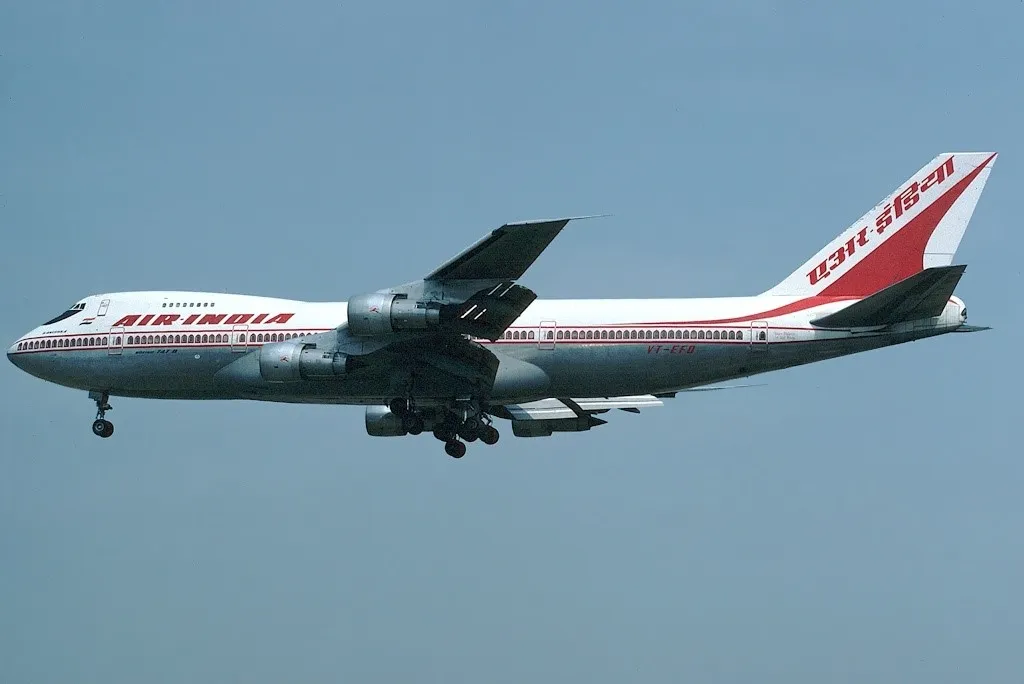
Ottawa officially names Khalistani terrorists behind 1985 aviation disaster
Over forty long years after an explosion destroyed a passenger aircraft over the Atlantic Ocean, Canadian intelligence has finally named the exact culprits. Officials at the Canadian Security Intelligence Service (CSIS) published a statement on Wednesday explicitly holding Canada-based Khalistani terrorists responsible for destroyingAir India flight 182. This formal acknowledgment fully aligns with New Delhi’s long-held diplomatic position. Indian diplomats have insisted since day one that separatist groups orchestrated the 1985 tragedy.
Historically, bilateral relations between Ottawa and New Delhi suffered greatly. Canadian leadership often shielded these separatist factions under free speech laws, creating a long-standing diplomatic freeze that affected trade and regional stability. That specific Boeing 747 aircraft carried 329 innocent people from Toronto to Mumbai. Members of the banned Babbar Khalsa group planted explosives in the luggage area. The resulting blast instantly killed everyone on board the doomed flight. This devastating event remains Canada’s worst terror attack.
Breaking Decades Of Silence
Bureaucratic failures and internal rivalries prevented early accountability for this disaster. Public inquiry in 2010 revealed how CSIS and the Royal Canadian Mounted Police clashed repeatedly. Investigators actually tracked extremist leaders like Talwinder Singh Parmar early on. Sadly, they destroyed vital wiretap evidence that could have secured criminal convictions. Institutional indifference also played a huge role. Many politicians mistakenly treated the deaths of mostly Canadian citizens as a foreign issue. Key witnesses faced extreme physical danger and brutal targeted murders. These legal roadblocks caused landmark criminal trials to collapse completely by 2005.
Shifting Political Realities
Diplomatic tensions peaked when former Prime Minister Justin Trudeau accused Indian agents of killing a separatist leader on Canadian soil. However, the current Mark Carney administration is clearly changing direction. Earlier this year, CSIS released a detailed public report. This document identified local Khalistani factions as severe national security threats. Intelligence agents warned that these groups actively exploit local institutions. They deliberately trick unsuspecting community members to fund violent regional campaigns today.
Recognizing the specific perpetrators of the 1985 disaster brings long-overdue clarity to a painful history. Families of the innocent victims waited decades for Ottawa to drop vague terms. Government records previously relied on labels like insurgents or unnamed extremists. Naming the culprits directly validates consistent Indian security warnings. This distinct policy shift signals a completely new security era. Canadian authorities are finally taking very strict and direct action against violent separatist networks currently operating within their own borders.