

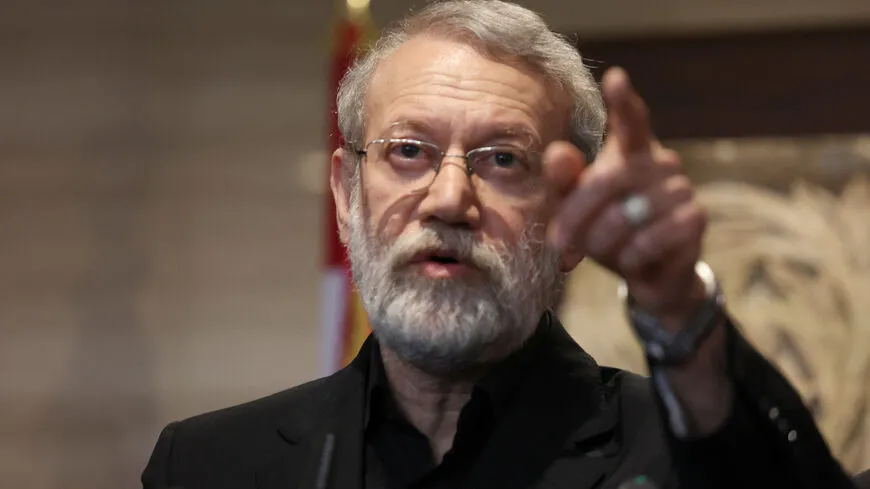
Tehran mourns a key strategist lost in recent military action
Official sources in Tehran have verified the passing of Ali Larijani, a prominent figure in the nation's security and nuclear landscape. Following a recent Israeli military operation, the Iranian National Security Council described the event as a "divine call" for a man who spent decades serving the Islamic Revolution. Reports from state media outlets, including Mehr News, portrayed Larijani as a dedicated servant whose career was defined by his loyalty to the state.
Israeli Defense Minister Israel Katz previously noted that the operation successfully targeted Larijani along with Gholamreza Soleimani, a commander within the IRGC. This loss is viewed by many international observers as a massive setback for Iran’s strategic planning. Larijani was not just a politician; he was a primary bridge between the Supreme Leader and the country’s complex military and diplomatic wings.
Life and Political Journey
Born in 1958, Larijani built a reputation as a sophisticated academic and a hardened veteran of the Iran-Iraq war. After earning a doctorate in philosophy, he climbed the ranks of the Revolutionary Guards and later transitioned into significant civilian roles. He spent over a decade as the speaker of parliament and was a central architect of the country's nuclear negotiations with global powers between 2005 and 2007.
While known for his diplomatic pragmatism, Larijani's legacy remains tied to the internal security measures used during domestic unrest. His involvement in handling protests led to international sanctions and criticism from human rights groups.
The fatal strike reportedly occurred during a high-stakes meeting intended to manage upcoming public festivals. Among those killed alongside him were his son, Morteza, and several high-ranking members of the Basij paramilitary force.
Benjamin Netanyahu, the Israeli Prime Minister, framed the strike as a move to weaken the clerical regime's grip on power. He suggested that removing such pivotal figures offers the Iranian public a better chance to influence their own political future. As the dust settles, the absence of Larijani leaves a significant void in Tehran’s ability to navigate both its nuclear ambitions and its regional defense strategies.