


State officials report rescuing thousands amid growing conversion fears
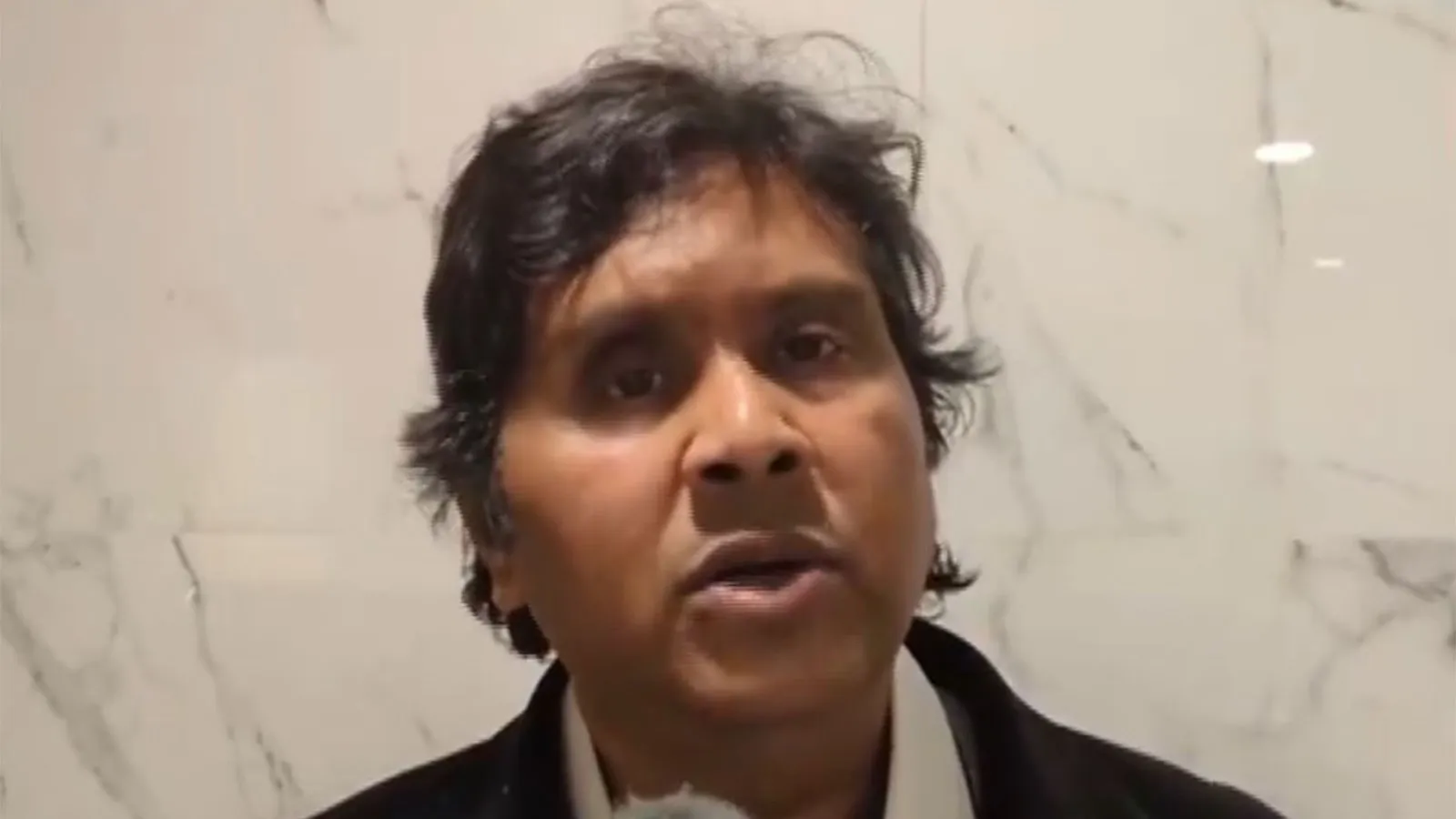
Recent statements from Bharatiya Janata Party leader Peeyush Mohanty have sparked significant discussions regarding forced religious conversions in the state. Speaking directly to media outlets, Mohanty shed light on what he described as severe Odisha love jihad incidents happening locally. He actively praised the current state administration for taking decisive, uncompromising steps to eliminate this growing threat from society.
According to the BJP representative, authorities have successfully saved roughly 5,000 minors from various regions across India. State law enforcement officials played a crucial role in bringing these vulnerable individuals back home safely. Mohanty emphasised that police officers are currently working tirelessly to address these highly sensitive situations with maximum force and urgency. He assured the public that the government remains fully committed to protecting young citizens from organized exploitation.
Puri Kidnapping Sparks Outrage
One specific case highlighted during his recent interview involved a young girl abducted from Puri and transported all the way to Kerala. Local investigators moved swiftly to apprehend the suspect, who had reportedly used a deceptive fake identity to trap the victim. Mohanty noted that the accused originally presented himself as Jairam before authorities discovered his real name was actually Irfan. Law enforcement in Puri has already registered a formal First Information Report against him. This swift response showcases the government's absolute zero-tolerance policy toward deceptive romantic schemes.
Beyond state borders, prominent voices are increasingly labeling this issue a widespread national emergency. Senior advocate Ashwini Upadhyay recently claimed that hundreds of thousands of young women become victims of similar deception every single year. Upadhyay strongly argued that these activities are not random isolated events but rather part of a highly coordinated effort. This alleged operation involves settling illegal immigrants and pushing systematic religious conversions throughout the country. He explicitly warned that these organized campaigns ultimately aim to radically alter the cultural and demographic makeup of the entire nation. By aggressively cracking down on these local incidents, state officials hope to curb this alarming trend and secure their communities.
With Agnecy Inputs