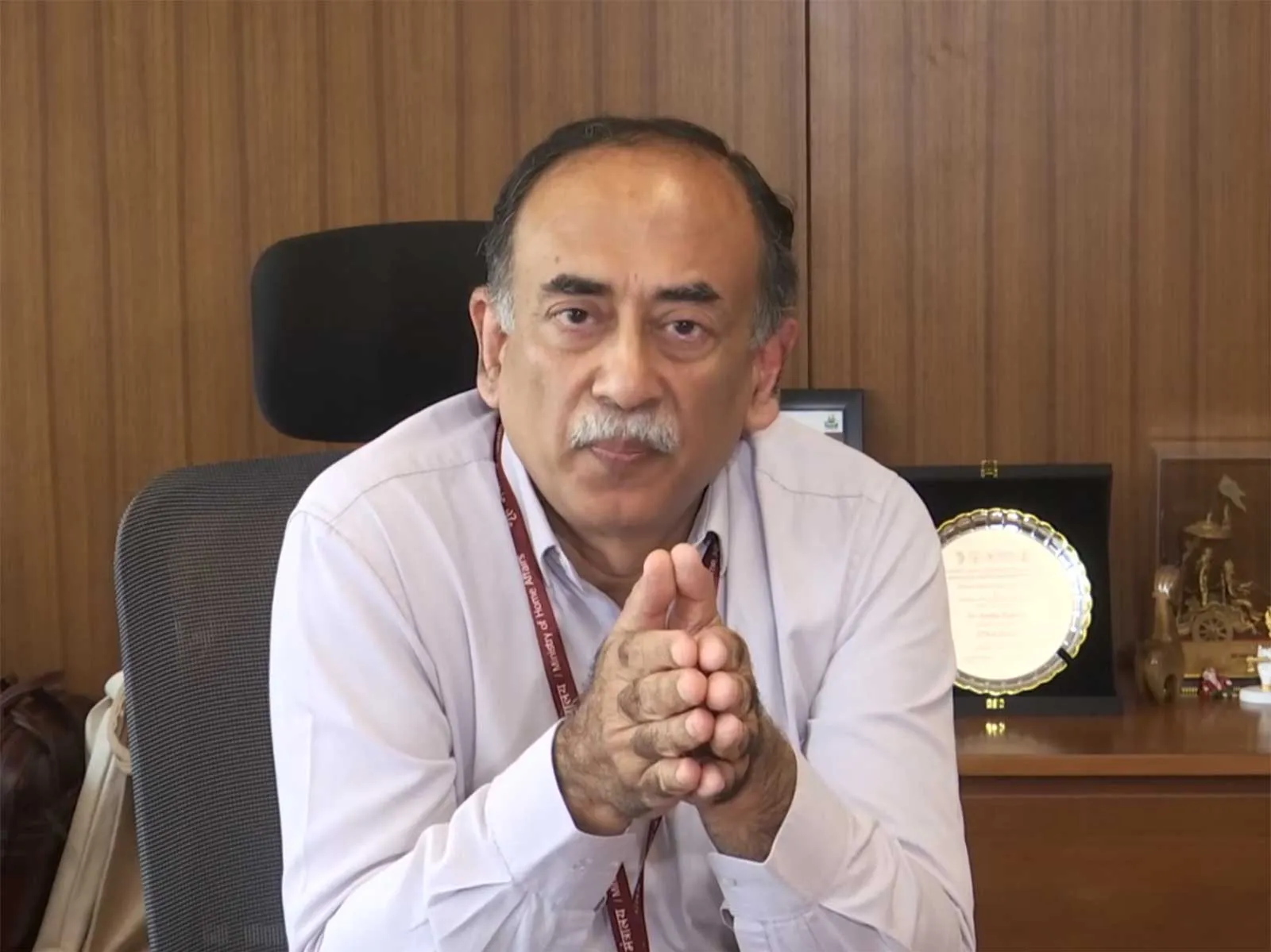
New Delhi, August 21: Vaccination can help decrease the severity of H1N1 infection, Director General of Health Services (DGHS) Dr Loveneesh G Krishna said on Friday, advising people to follow preventive measures as the seasonal influenza spreads easily from one person to another.
"H1N1 is a seasonal influenza that spreads very easily from one person to another. Therefore, we need to take some preventive measures, which include wearing a mask to cover your nose and mouth, washing your hands frequently with soap and water, keeping indoors well-ventilated, and taking vaccines to decrease the severity," Krishna said.
He advised people to keep indoor spaces well ventilated as part of measures to prevent the spread of the seasonal influenza.
The DGHS official also urged people not to panic, reiterating that H1N1 is seasonal influenza.
Meanwhile, Union Minister for Health and Family Welfare JP Nadda on Friday reviewed the prevailing situation and preparedness for H1N1 influenza in the country with particular focus on the national capital. Delhi Health Minister D Pankaj Kumar Singh was also present in the meeting.
According to a release, the Union Health Minister reviewed the national surveillance and epidemiological situation, ILI and SARI trends, testing and laboratory surveillance, and preparedness of healthcare facilities to manage seasonal influenza cases.
Nadda emphasised the need for continued vigilance, robust surveillance and proactive preparedness, with close monitoring of influenza trends.
The preparedness of healthcare facilities in Delhi was reviewed, including the availability of hospital beds, critical care facilities, and other necessary supplies.
The meeting comes amid reports of a rise in swine flu cases in Delhi, with health concerns emerging against the backdrop of humid and variable weather conditions in the national capital.
The Centre's review also assumes significance as Delhi has been witnessing changing weather conditions, with humidity and fluctuations in temperature creating conditions conducive to the spread of seasonal respiratory infections.
According to a recent report, a spike in swine flu cases has been reported in Delhi amid the prevailing humid and variable weather conditions. Health experts have advised people to remain alert to flu-like symptoms and seek medical attention where required.
H1N1, commonly referred to as swine flu, is a respiratory infection caused by the influenza A(H1N1) virus. Symptoms can include fever, cough, sore throat, body aches, headache, chills, and fatigue. In some cases, particularly among vulnerable groups, influenza can lead to serious complications.


.webp)


.webp)