

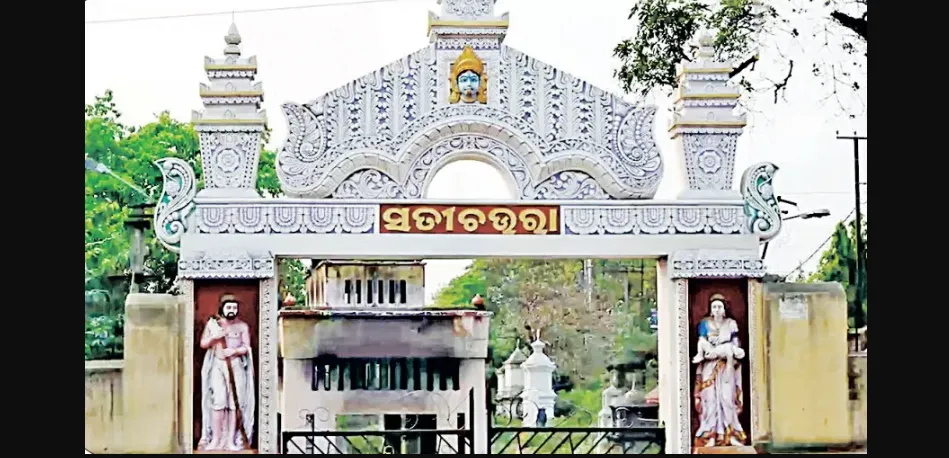
Cuttack, March 17: The Cuttack Municipal Corporation (CMC) is set to give a facelift to the Sati Chaura crematorium with modern facilities and improved infrastructure. A tender worth ₹7 crore has been floated, and work is likely to begin soon.
As part of the revamp, both traditional wood-based and gas-based cremation systems will be made available. Basic amenities for people attending last rites, including shelter and toilets, will be developed. The entrance and surrounding areas will also be beautified, while dedicated spaces will be created for memorials of notable personalities.
Sati Chaura, one of the major crematoriums in the city, has long been in a neglected condition despite earlier plans for modernization. The new project aims to address these issues with a comprehensive upgrade, including pollution-controlled gas cremation facilities.
CMC maintains five major crematoriums in Cuttack, and officials said similar renovation work will be taken up at Kaliabuda and other sites in the coming days, informed Mayor Subash Singh.