

Mumbai, March 18: Actor Ranveer Singh made a high-energy appearance at the music launch event of 'Dhurandhar: The Revenge' in Mumbai on Tuesday night, drawing thunderous cheers from fans as excitement builds ahead of the film's theatrical release on March 19.
Videos circulating online from the March 17 event captured the actor's electrifying entry, with the crowd erupting in applause as he walked onto the stage. Clearly overwhelmed by the response, Singh greeted fans warmly and took a moment to absorb the atmosphere created by the film's growing buzz.
During his interaction with the audience, the actor turned the spotlight on the franchise's music, asking fans about their favourite songs from the first 'Dhurandhar' film.
The crowd shouted out popular tracks from the movie. Responding to the varied choices, Singh said the diversity of fan favourites is what makes the franchise special.
"See, this is what makes it special. Everyone has different favourites," he said, thanking the audience for their enthusiasm.
Speaking about the overwhelming reception to the franchise, Singh expressed gratitude on behalf of the entire team behind the sequel.
"Our entire team is so happy and excited. Also, we are so humbled and grateful for the response to the first part of the film," he said in a viral video from the event.
The actor added that the anticipation surrounding the upcoming instalment has surpassed expectations. "We are so humbled with the kind of excitement and anticipation that we have seen for the second part; it is unprecedented," Singh said.
He also highlighted the film's international appeal, saying that audiences beyond India are eagerly awaiting its release. "Not only people in India, but people from all over the world are eagerly waiting to watch this movie," he said.
At one point during the event, Singh playfully riffed on a well-known dialogue from the first film, declaring with theatrical flair, "Ab Indian cinema ka mustakbil ab 'Dhurandhar: The Revenge' tay karega!", drawing loud cheers from the crowd.
Jasmine Sandlas, who sang 'Shararat' for the first 'Dhurandhar' movie, also gave an electrifying performance at the music launch event.
Sara Arjun, who stars opposite Ranveer Singh as Yalina Jamali in the movie, also attended the event.
For the event, Ranveer Singh was seen wearing a stylish, edgy ensemble featuring a black leather biker jacket with asymmetrical zip detailing over a white graphic T-shirt, paired with relaxed-fit black pants, heavy-duty tactical boots tucked into his trousers, and accessorised with thick-framed dark sunglasses and a chunky silver chain necklace.
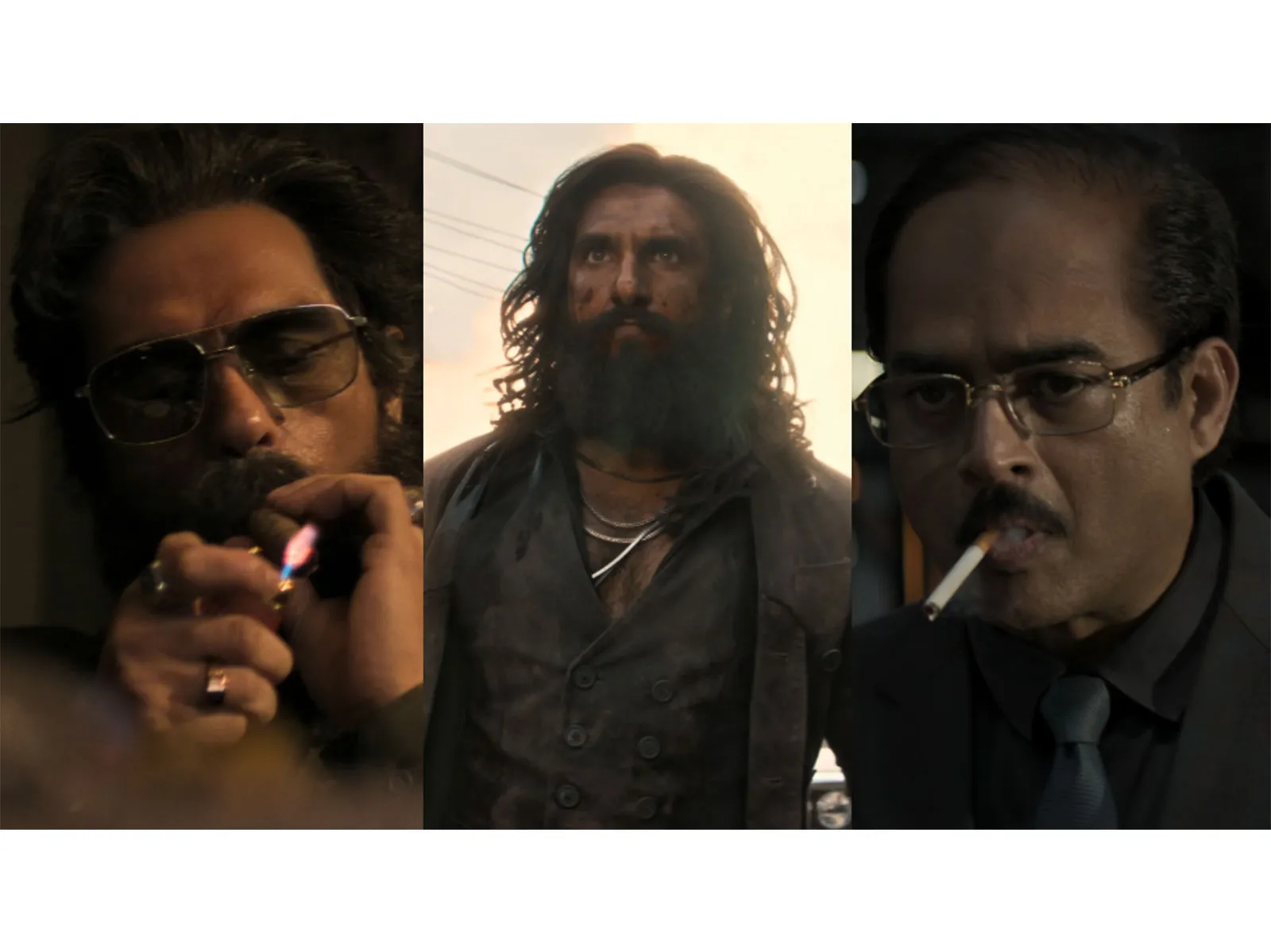
Directed as a continuation of the franchise's story, 'Dhurandhar: The Revenge' sees Singh reprise his role as undercover agent Jaskirat Singh Rangi, who operates deep inside the criminal underworld under the alias Hamza Ali Mazari. The sequel's trailer hints at a darker narrative as Rangi navigates a dangerous terror network while attempting to dismantle it from within.
Recently the makers of 'Dhurandhar: The Revenge' also released the much-anticipated track 'Aari Aari'. Packed with pulsating beats, powerful vocals and explosive rap sections, the song sets the tone for the film's intense world while delivering an unforgettable musical experience.
The film features an ensemble cast including Arjun Rampal as Major Iqbal, Sanjay Dutt as SP Chaudhary Aslam, and R. Madhavan as Ajay Sanyal. The first film also featured Akshaye Khanna as gangster Rehman Dakait. (ANI)