
.webp)


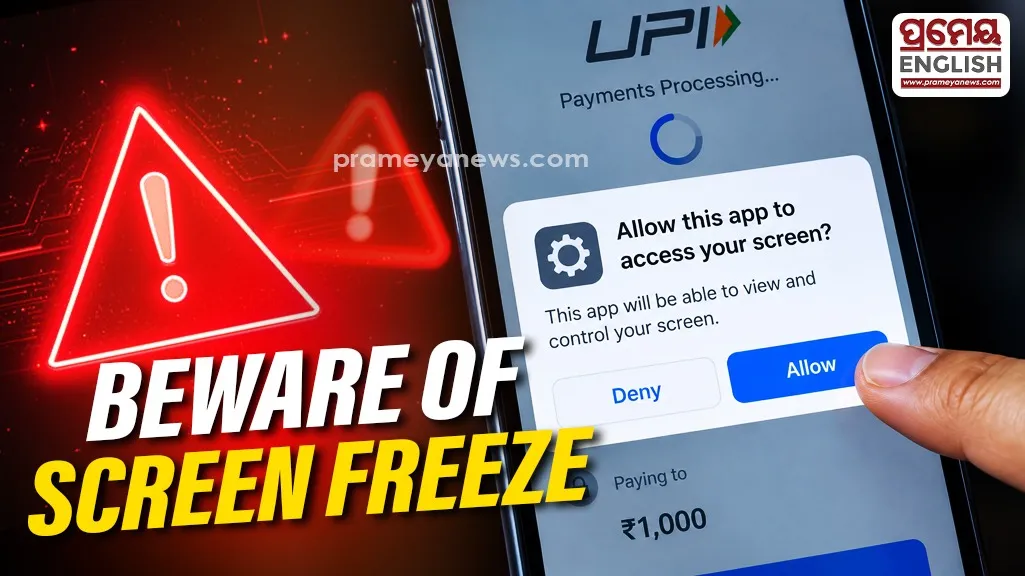
Cybercriminals weaponise frozen phone screens to steal sensitive banking information
Clicking an unfamiliar link or social media advertisement can suddenly freeze your smartphone screen. Cyber experts warn this is not a routine technical error but a calculated distraction technique used by fraudsters to loot digital bank accounts. India has witnessed rapid growth in digital transactions recently, making citizens frequent targets for evolving financial crimes.
Also Read: Satya Niketan incident: Delhi govt directs immediate sealing of illegal five-storey buildings
Fraudsters create panic through these fake screen freezes to steal sensitive data. Quick Heal Technologies CEO Harish Kumar explains that the freeze acts as a diversion rather than the actual attack. Scammers often pose as customer support agents to convince worried users that their banking application has an issue. Victims are then tricked into downloading malicious APK files disguised as cashback rewards or service verification tools.
How Malware Bypasses Security
Once downloaded, these dangerous applications exploit Android notification and accessibility permissions to read OTPs and monitor user activity. Researchers at Seqrite Labs highlighted this exact tactic in their India Cyber Threat Report 2026. They found that fake utility apps request access to SMS and calls to secretly harvest personal details.
Futurex Vice President of South Asia, Ruchin Kumar, notes that criminals do not break UPI encryption directly. Instead, they compromise the device or trick victims into authenticating payments themselves using screen-sharing applications. Delcom Telesystems Managing Director Ravindra Singh states that scammers actively exploit human trust by creating false urgency around fake technical problems.
Users must disconnect from mobile data and Wi-Fi immediately if they suspect foul play. Avoid entering any UPI PINs during a sudden phone glitch. Remove suspicious apps, revoke unnecessary device permissions, and report potential fraud to the national helpline number 1930. Genuine banks will never ask customers to install remote-access software to resolve standard payment issues.
.webp)