


New humanitarian shipment provides essential food relief for drought-stricken Malawi
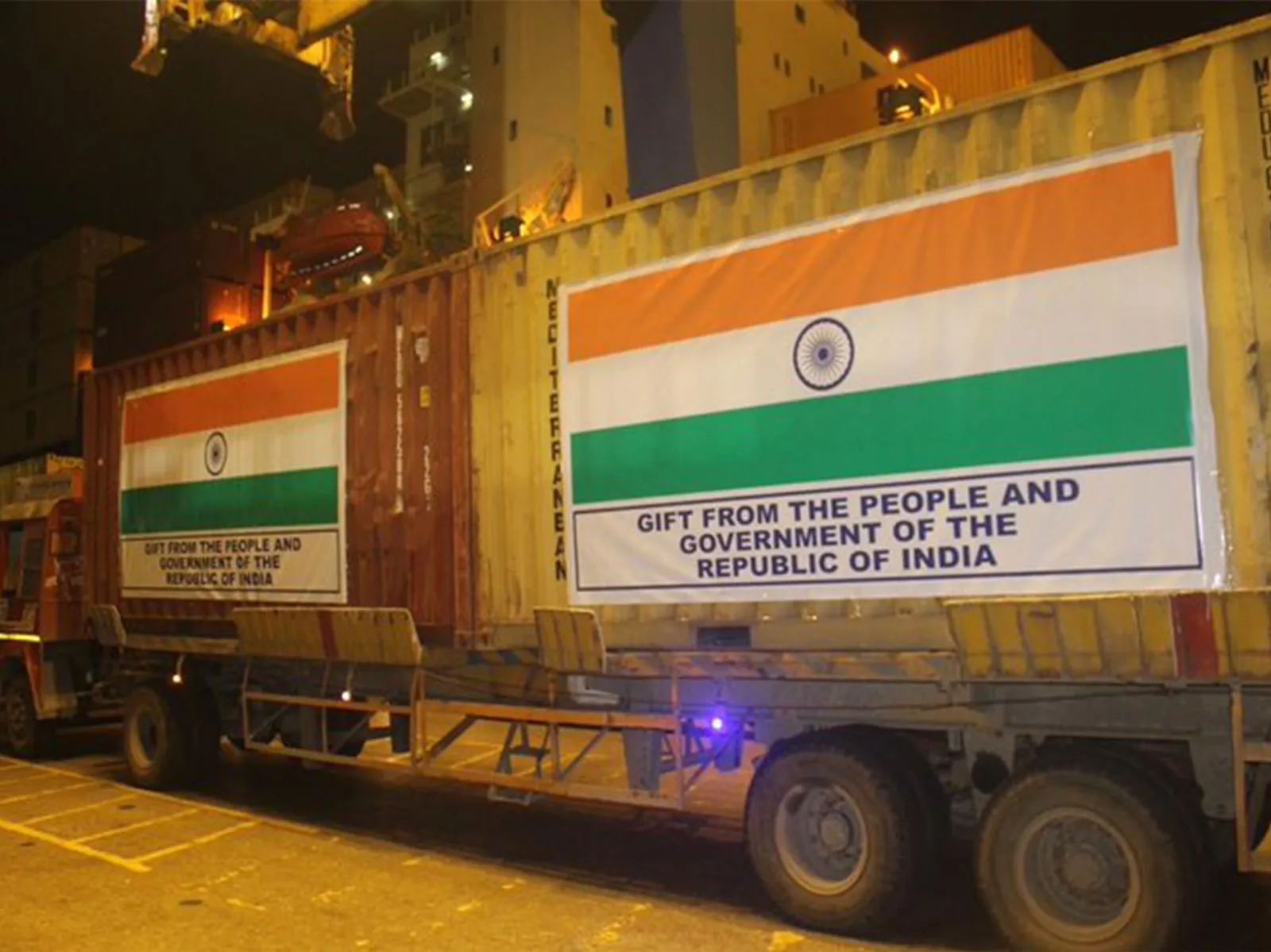
Efforts to combat hunger in Southeast Africa received a significant boost as New Delhi authorized a large-scale food shipment. India has officially dispatched 1,000 metric tons of rice to Malawi, aiming to alleviate the extreme food scarcity currently plaguing the nation. This humanitarian gesture serves as a response to the devastating agricultural failures triggered by the El Nino weather phenomenon.
Strengthening Ties in the Global South
By providing this essential India rice aid to Malawi, the Indian government reinforces its role as a reliable partner for developing nations. The Ministry of External Affairs confirmed that the cargo left from Maharashtra’s Nhava Sheva Port. This move is more than just a donation; it represents a commitment to South-South cooperation, where emerging economies support one another during environmental catastrophes.
Impact of the El Nino Climate Crisis
Malawi is currently grappling with a dire situation caused by shifted weather patterns. The El Nino effect has led to abnormally warm sea surface temperatures in the Pacific, which in turn disrupted rainfall across Southern Africa. For a country like Malawi, which depends almost entirely on its farming sector, the resulting dry spells have been catastrophic. Maize production, the backbone of the local diet, has plummeted, leaving millions of citizens vulnerable to malnutrition.
Rainfall shortages have pushed food prices higher and depleted national reserves. This specialized shipment of Indian rice is intended to fill the gap left by ruined harvests. While El Nino often brings floods to some parts of the world, its impact on the African continent—and occasionally parts of India—is frequently characterized by severe drought. By sharing its agricultural resources, India is helping to stabilize the food supply chain for its international partners during this difficult climate cycle.
Inputs and Image from Agency