

Celebrating linguistic diversity and preserving our native tongues globally
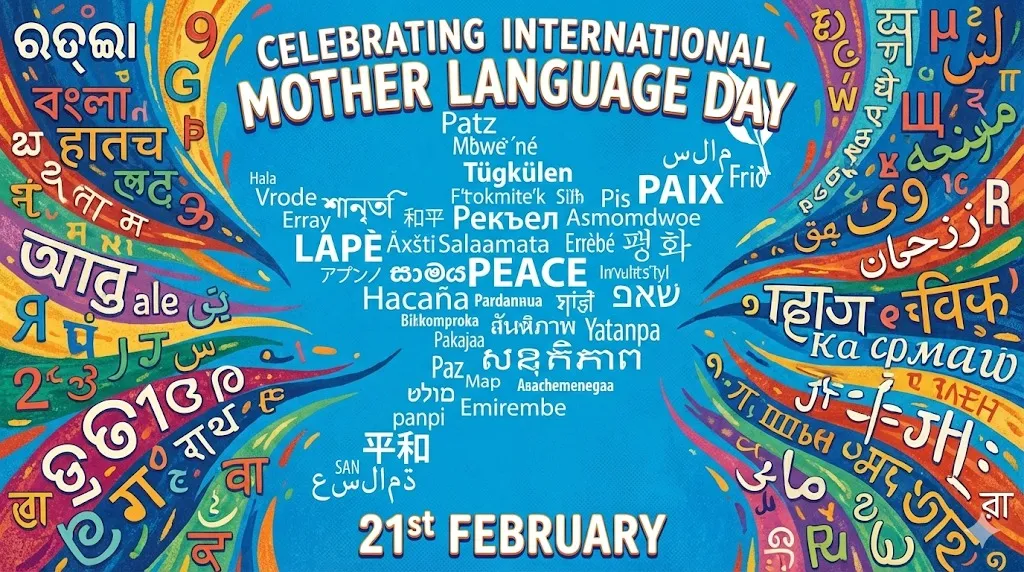
People around the globe celebrate International Mother Language Day every February 21st to honor our cultural roots and promote multilingualism. Initiated by a proposal from Bangladesh, this vital observance was officially adopted by UNESCO in 1999 and has been a recognized worldwide event since the year 2000. Recognizing the profound value of native languages, UNESCO established this day to foster tolerance, respect, and peace across diverse societies.
A major concern driving this UNESCO initiative is the rapid disappearance of distinct dialects worldwide. Strikingly, about 40 percent of the global population lacks access to education in a language they actually speak or understand. Promoting mother language importance, especially during early childhood schooling, helps bridge this massive educational gap and keeps local heritage alive in public life.
Recent observances have focused heavily on modern solutions for language preservation. For instance, the 2022 theme highlighted how technology can support multilingual education. During that observance, UNESCO Director-General Audrey Azoulay pointed out that digital tools are essential for recording and safeguarding oral languages, turning local dialects into a shared global heritage. She also warned that while the internet risks creating linguistic uniformity, intentional technological progress can significantly benefit language preservation if we make the effort.
Looking at the sheer scale of linguistic diversity in India reveals why this global day resonates so deeply here. Census data indicates that citizens speak over 19,500 distinct dialects and languages across the nation. Out of these, 121 languages boast at least 10,000 speakers.
The Indian Constitution specifically recognizes 22 scheduled languages in its Eighth Schedule, including Odia, Hindi, Bengali, and Tamil. Originally, this constitutional list featured only 14 languages, but it expanded over the decades to reflect the country's diverse voices. Sindhi was added in 1967, followed by Konkani, Manipuri, and Nepali in 1992. Later, in 2004, Bodo, Dogri, Maithili, and Santhali joined the schedule. Embracing an Odia mother tongue or any other regional language ensures that India's rich cultural fabric remains vibrant for future generations.