


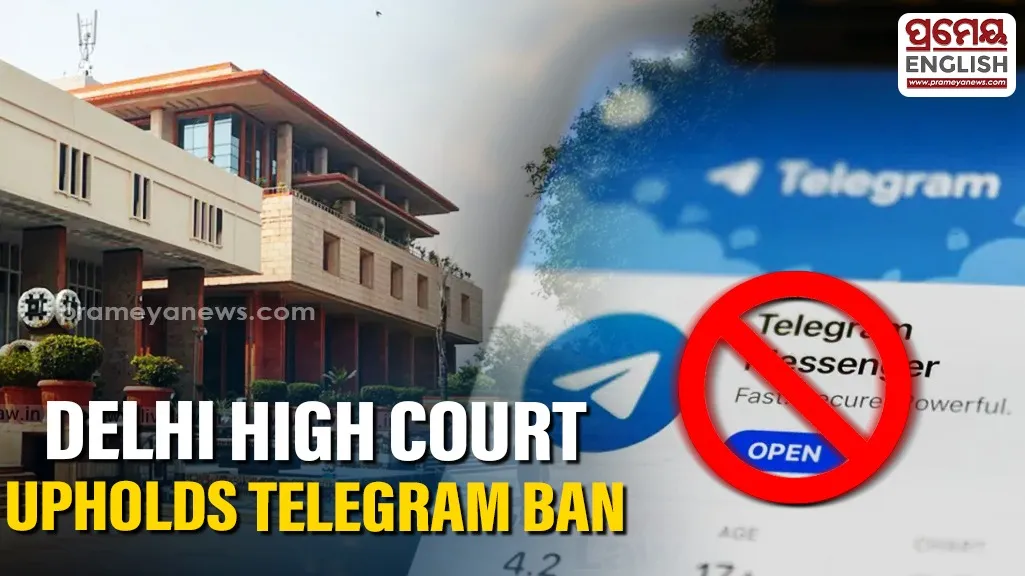
Judicial backing secures temporary ban on Telegram before NEET-UG
Delhi High Court judges validated the Central government's temporary restriction on Telegram to stop organized cheating networks from disrupting the upcoming NEET-UG re-examination. Justice Tejas Karia dismissed the petition filed by the instant messaging application against the emergency blocking order. The legal intervention came under Section 69A of the Information Technology Act, following intense scrutiny over nationwide educational testing vulnerabilities.
This decisive legal precedent echoes previous instances where Indian courts balanced digital platform freedoms against the critical necessity of securing state-run examinations.
The Ministry of Electronics and Information Technology acted on direct recommendations from the National Testing Agency. Authorities suspended platform access nationwide until June 22 and ordered the disabling of message-editing features until the end of the month. Solicitor General Tushar Mehta argued that the platform's unique privacy framework prevents effective law enforcement intervention during active investigations. Attorney General R Venkataramani supported this position, labeling the application's digital architecture structurally problematic for preventive security measures.
Senior Advocate Dhruv Mehta, representing the tech firm, questioned whether an educational test could realistically threaten national sovereignty. Legal representatives asserted that the firm removed over 900 illegal links within an hour of receiving official notifications. The company used artificial intelligence alongside human moderation teams to scrub policy violations, arguing that the selective blocking order unfairly targeted their operations. However, the bench ruled the state response proportionate, prioritizing the academic future of millions over corporate digital access.