ଓଡ଼ିଆ | ENGLISH
ଓଡ଼ିଆ | ENGLISH
T20
T20

decision-on-reopening-of-puri-jaganath-temple-today

Published By : Satya Mohapatra
decision-on-reopening-of-puri-jaganath-temple-today

Indian tankers navigate dangerous Middle Eastern waters with exclusive permission

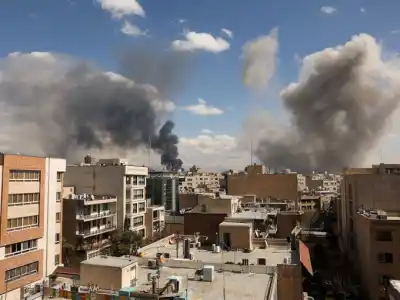
Relief has arrived for New Delhi during a worsening global energy crisis. Iranian authorities are now allowing Indian-flagged tankers to safely navigate the Strait of Hormuz. Maritime traffic in this crucial zone had almost completely stopped following escalating military conflicts involving Washington, Tel Aviv, and Tehran. Fortunately, vessels carrying the Indian tricolour are currently bypassing these strict maritime restrictions and continuing their crucial cargo journeys without interference.

Diplomatic efforts secure safe passage

Successful back-channel negotiations between India's External Affairs Minister S. Jaishankar and Iran's Foreign Minister Abbas Araghchi paved the way for this vital maritime exemption. Reports now confirm that at least two Indian oil tankers, specifically the Parimal and Pushpak, are already sailing securely through the strategic waterway. This encouraging development happens while ships tied to European nations, Israel, and the United States remains heavily restricted from entry.

Recently, Rear Admiral Alireza Tangsiri of the IRGC Naval Force stressed that any commercial vessel crossing these waters desperately needs explicit approval from Tehran. He specifically highlighted that two foreign ships, the Mayuree Naree and Express Rome, faced direct attacks on Wednesday after completely ignoring strict Iranian security warnings.

Crucial transit route for global fuel

State-aligned media in Iran recently confirmed that only vessels avoiding American and Israeli interests will receive clearance to sail. This selective blockade dramatically impacts international markets because over twenty million barrels of raw crude oil travel through this narrow geographic chokepoint every single day. Such a massive volume accounts for nearly a quarter of all maritime oil trade worldwide. Any prolonged disruption here instantly shocks global supply chains, ultimately affecting everyday fuel costs and household budgets across the globe.

Constant monitoring ensures seafarer security

Officials from India's Shipping Ministry officially confirmed on Wednesday that twenty-eight Indian-flagged vessels currently operate across the wider Persian Gulf region. Most of these specific ships are currently positioned west of the regional chokepoint, supporting nearly seven hundred dedicated Indian crew members.

To ensure maximum civilian protection, the Directorate General of Shipping activated a specialized emergency control room late last month. This round-the-clock facility continuously tracks unfolding maritime events and coordinates rapid crisis assistance. Local foreign embassies, ship managers, and international recruitment agencies are also working closely together. Their combined mission focuses entirely on guaranteeing the absolute safety of every Indian sailor stationed in these highly volatile Middle Eastern waters.

With Agency Inputs / Representative Image