



Mumbai Aviation Enters New Era with NMIA Launch
Commercial aviation in the Mumbai Metropolitan Region is set to witness a major transformation today. Navi Mumbai International Airport (NMIA) has officially commenced operations, finally providing the financial capital with a second aviation gateway after decades of anticipation.
First Day Schedule and Airlines
Operations on day one kick off with 15 scheduled domestic departures. Four major carriers—IndiGo, Air India Express, Akasa Air, and Star Air—are connecting the new facility to nine different cities across the country. Initially, the airport will function for 12 hours daily, running between 8:00 am and 8:00 pm.
Operators have confirmed that while the current capacity allows for 24 scheduled departures to 13 destinations, the schedule will scale up significantly in the coming months. By February next year, the airport aims to transition to fully operational 24x7 services.
Infrastructure and Design
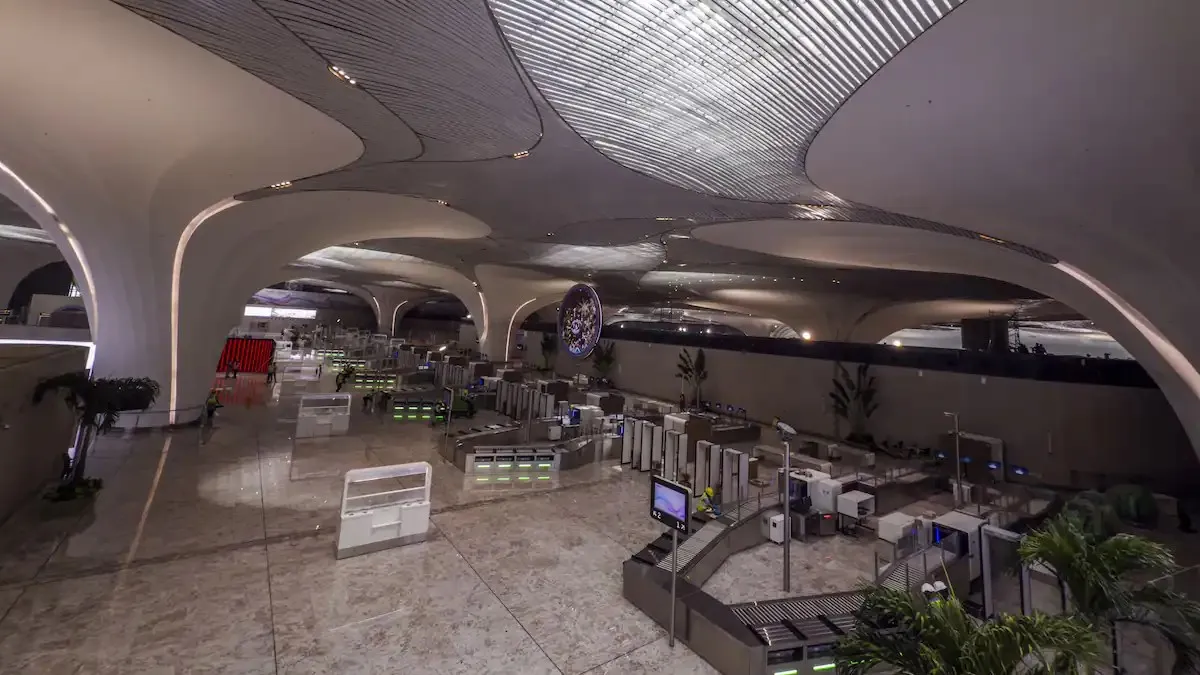
Developed by the Adani Group through a special purpose vehicle, the airport represents a massive infrastructure investment. Phase one alone was built at a cost of Rs 19,650 crore. The terminal design pays homage to Indian culture, drawing architectural inspiration from the national flower, the lotus.
Key facilities available for passengers immediately include:
Long-Term Impact
This greenfield project, originally conceived in 1997 by CIDCO, has overcome significant delays, including the global pandemic. Now managed by Adani Airports Holdings Limited, the project moved rapidly from construction to commercial readiness.
Once all five phases are complete, Navi Mumbai International Airport is projected to handle a staggering 90 million passengers per year. This massive capacity boost is expected to drastically reduce congestion at the existing Mumbai airport and improve overall travel resilience in the region.