
.webp)


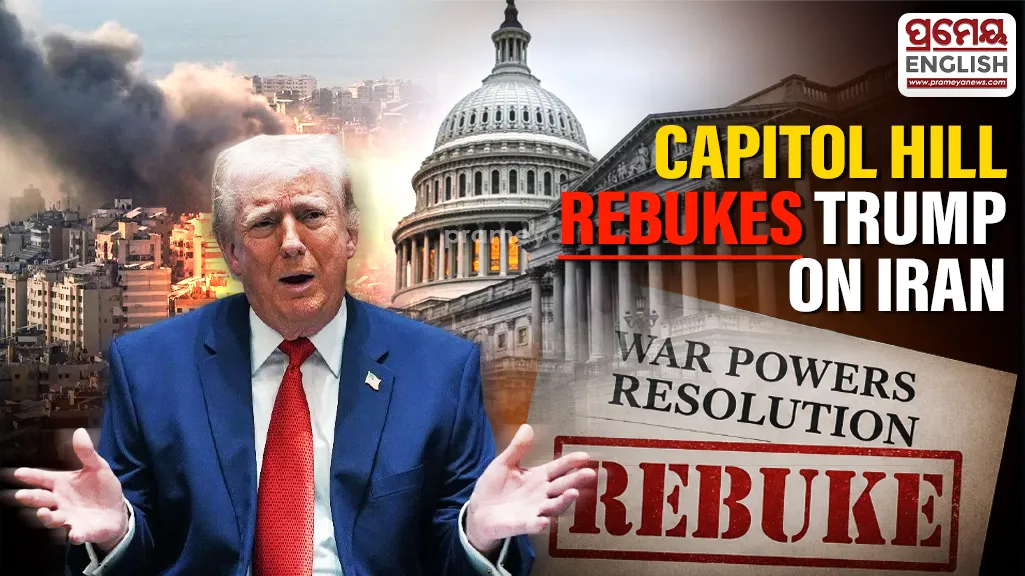
Bipartisan Senate vote restricts Donald Trump's military action
Washington DC — Lawmakers in the upper chamber of Congress approved a legislative measure directing Donald Trump to withdraw American military forces from ongoing friction with Tehran. Passing with a narrow 50-48 margin on Tuesday local time, the development represents a rare moment where members from both major political parties united to challenge executive control over foreign conflicts. Four Republican lawmakers broke ranks to align with the opposing party, shifting the balance of power in a razor-thin chamber.
Historical precedent shows this marks the first time both legislative houses have successfully advanced an explicit directive under the War Powers Act of 1973 to curb an active conflict since its inception. This legislative push reflects deep structural friction between Capitol Hill and the executive branch regarding unilateral cross-border operations, a constitutional debate that has persisted in American foreign policy since the Vietnam era.
Cross-Party Alignment Shakes Up Capitol Hill
GOP representatives Rand Paul, Susan Collins, Lisa Murkowski, and Bill Cassidy provided the crucial swing votes required to secure passage. Conversely, John Fetterman stood out as the lone dissenting voice within his party, choosing to side with the executive branch's defensive strategy. Absenteeism also played a decisive role, as the unexpected absence of long-time defense advocates Mitch McConnell and Dave McCormick cleared a path for the opposition's legislative victory.
White House representatives quickly dismissed the political maneuvering as a purely theatrical gesture. Because the legislation was structured as a concurrent resolution, it functions independently of executive approval and bypasses the desk of the head of state. Executive staff argued the directive is redundant, maintaining that active combat operations officially concluded following the negotiated truce earlier this spring. However, legislative strategists counter that the text remains legally binding and will force a judicial review if executive forces restart unapproved actions.
With Inputs from Agency Threads and Image Courtesy: ANI
.webp)