
.webp)



Delhi, November 25: The Union Cabinet chaired by Prime Minister Narendra Modi on Wednesday approved the continuation of the Central Sector Scheme “Postal Operations” during the 16th Finance Commission Cycle from FY 2026-27 to FY 2030-31 with a proposed outlay of Rs 1,141 crore. The scheme seeks to strengthen postal infrastructure, improve operational efficiency and support the growing requirements of logistics, e-commerce and digital service delivery across the country.
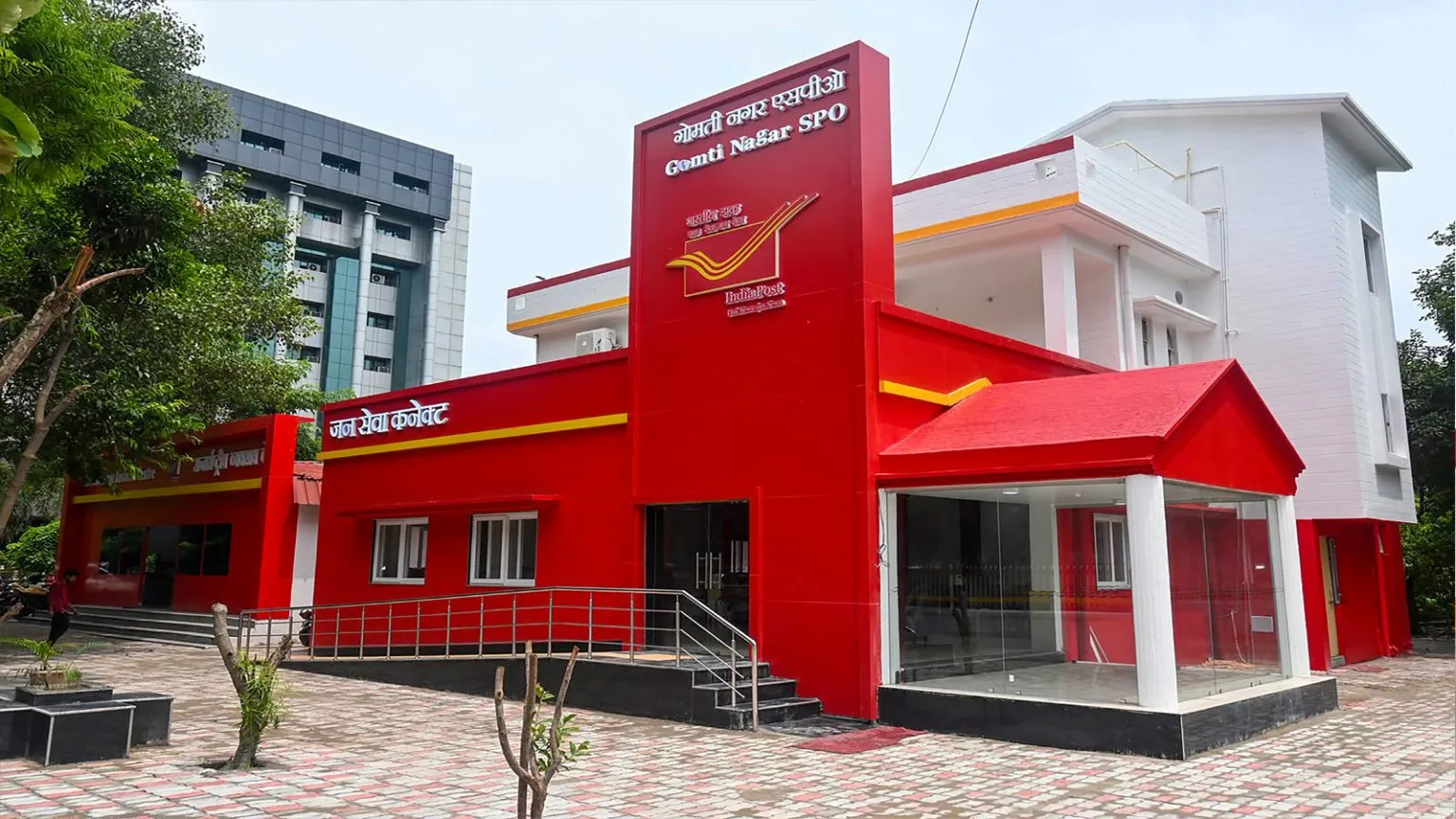
With one of the world’s largest postal networks comprising 1.65 lakh post offices, including 1,49,655 post offices in rural areas, India Post continues to serve as an important platform for delivery of mail, parcels, banking, insurance and other citizen-centric services, particularly in remote and underserved regions.
Also Read: Cabinet approves Rs 2,014 crore greenfield airport in Assam
Apart from its core postal operations, India Post provides a wide range of public services through initiatives such as Post Office Savings Bank (POSB), India Post Payments Bank (IPPB), Postal Life Insurance (PLI), Aadhaar enrolment and updation, Passport Services through Post Office Passport Seva Kendras, KYC verification services and support to rural artisans through Dakghar Niryat Kendras (DNKs).
The scheme would support modernization of postal infrastructure, strengthen last-mile delivery, improve logistics efficiency, promote financial inclusion and enhance customer-centric service delivery across the country. The proposal also aligns with the broader objectives of Digital India, Atmanirbhar Bharat and Viksit Bharat.
The scheme is intended to be implemented over a period of five years from FY 2026-27 to FY 2030-31.
Six Components to Drive Postal Network Transformation
The Postal Operations Scheme comprises six sub-schemes, each addressing a specific area of postal infrastructure and service delivery.
1. Rural Business and Access to Postal Network – Rs 120 crore
This component will focus on upgrading infrastructure, standardising branding and improving resource utilisation to transform post offices, particularly in rural areas, into efficient and citizen-centric service hubs.
It aims to strengthen financial inclusion, digital connectivity and local economic development while improving last-mile delivery and access to postal and public services in underserved regions.
2. Mail Network Optimisation – Rs 575 crore
With the largest allocation under the scheme, this component will modernise mail operations through centralised delivery systems, mechanisation and advanced information technology solutions under Advanced Postal Technology (APT 2.0).
It also envisages GIS-based services and infrastructure upgrades, including improvements to delivery post offices, mail-handling systems, Mail Motor Service (MMS) workshops and the road transport network. Modern smart 24×7 letter boxes will also be introduced to improve operational efficiency, transparency, service quality and logistical reliability.
3. Parcel Network Optimisation – Rs 278 crore
This component will support the construction of parcel hubs and expansion of Parcel Packaging Units (PPUs) in line with a redesigned sorting framework.
The measures are intended to streamline parcel movement, reduce handling points, address capacity constraints and improve transit times. The initiative will also support rising parcel volumes generated by e-commerce and rural markets through purpose-built facilities, standardised secure packaging and greater operational flexibility.
The component aims to improve customer trust and strengthen India Post’s position in the logistics sector.
4. Infrastructure Upgrade for International Mails – Rs 8 crore
The scheme will strengthen international mail operations by upgrading Foreign Post Offices (FPOs) and Sub Foreign Post Offices (SFPOs), improving infrastructure and speeding up the processing of international consignments.
It will also support marketing and advertising through Postal and Railway Mail Service (RMS) divisions, with the objective of positioning India Post as a reliable international logistics provider. Technology integration, regulatory compliance and export logistics support will also receive attention.
5. Marketing Functions, Including Quality of Service – Rs 100 crore
This component will promote India Post’s services through branding, outreach and customer engagement campaigns across television, digital, radio, print and outdoor platforms.
It also provides for participation in events and exhibitions, social media campaigns, direct marketing and expansion of Dak Chaupal activities to strengthen grassroots engagement, particularly in rural and underserved areas.
Infrastructure upgrades, studio facilities, information and communication technology enhancements, market research, influencer engagement and third-party evaluation mechanisms are also envisaged to improve service quality and strengthen the customer-centric approach.
6. Philately Operations – Rs 60 crore
The philately component aims to revive interest in stamp collecting and promote it as an educational and cultural activity through exhibitions, seminars, quizzes and school philatelic clubs.
It also envisages innovative stamp designs, including scented, holographic and 3D stamps, alongside digital outreach initiatives. Programmes such as the Dhai Akhar letter-writing competition and SPARSH scholarship will continue to support public participation, particularly among students.
Modernisation of production and fulfilment centres, market research and international collaboration are also included to improve operational efficiency and enhance revenue potential.
Strengthening India Post’s Role in a Digital Economy
Through the five-year scheme, the government aims to transform India Post into a more efficient, technology-enabled and customer-oriented service network. Investments in mail and parcel infrastructure, rural access, international operations and service quality are expected to help the postal department respond to changing logistics requirements while retaining its extensive reach across the country.
The initiative seeks to strengthen India Post’s role not only as a traditional postal service provider but also as an important platform for financial inclusion, e-commerce logistics and delivery of citizen-centric services.
.webp)