ଓଡ଼ିଆ | ENGLISH
ଓଡ଼ିଆ | ENGLISH

bmc-issues-fresh-guidelines-for-higher-educational-institutions-know-details

Published By : Satya Mohapatra
bmc-issues-fresh-guidelines-for-higher-educational-institutions-know-details

Surging regional tensions threaten critical global crude oil supplies

Global alarm is growing following the sudden death of Ayatollah Ali Khamenei and the rapid appointment of a new supreme leader in Tehran. Comfort Ekhause Ero, President of the International Crisis Group, warns that this swift succession drastically changes the strategic calculus across the Middle East. She points out that Tehran has been systematically laying the groundwork for this broader confrontation for months. The intense twelve-day clash last year between Iranian forces, Israel, and the United States served as a clear precursor to the current hostilities. This calculated preparation suggests that the current chaotic environment is unfolding exactly as Iranian strategists anticipated.

Shifting Power Dynamics

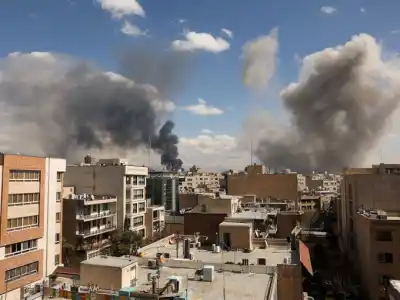
Recent strikes hitting Gulf nations where US troops are stationed signal a bold new phase in this war. Ero highlights that Tehran is deliberately expanding the battlefield to pressure international stakeholders and test regional defences. Mojtaba Khamenei, the newly installed Supreme Leader, immediately demanded the complete removal of American military bases from the region, threatening swift missile attacks if they remain operational. While these threats sound exceptionally severe, Ero explains that removing Western influence has always been a fundamental pillar of Iranian political ideology. Gulf countries and Israel, conversely, rely heavily on American military presence to maintain their delicate regional security frameworks. This fundamental disagreement over Western involvement guarantees ongoing friction.

Beyond the immediate military escalation, severe economic fallout remains a massive concern for international observers. Disruptions around the Strait of Hormuz, a crucial global artery for petroleum shipping, are practically inevitable under the current Iranian playbook. Choking off these vital energy supply routes was always a predictable strategy to exert maximum leverage over the global economy. Citizens worldwide are already facing the tragic human cost of this conflict, but the impending financial damage will reach far beyond the immediate warzone, affecting daily life everywhere.

Impact on Energy Supply

Countries around the world are frantically scrambling to calculate how long their current energy reserves will hold out. India is closely monitoring the escalating situation as financial experts predict significant volatility in domestic fuel costs. To help stabilise these incredibly turbulent markets, the United States has even started lifting certain long-standing sanctions on Russia to release more crude oil globally. Geopolitical friction in West Asia is now sending massive shockwaves through international trade channels. Inflation rates and everyday living costs are widely expected to climb as diplomatic relations continue straining under the heavy weight of this expanding crisis.

With Agency Inputs