


Bhubaneswar, March 17: Leader of Opposition Naveen Patnaik on Tuesday demanded resignation of Health and Family Welfare Minister Dr Mukesh Mahaling over the fire mishap at SCB Medical College and Hospital, Cuttack that killed 11 people.
The former CM said that that the Health Department cannot hide behind 'inquiries' while families mourn. Patnaik visited the fire-affected ICU at State-run hospital and reviewed the situation following the tragic incident on Monday evening.
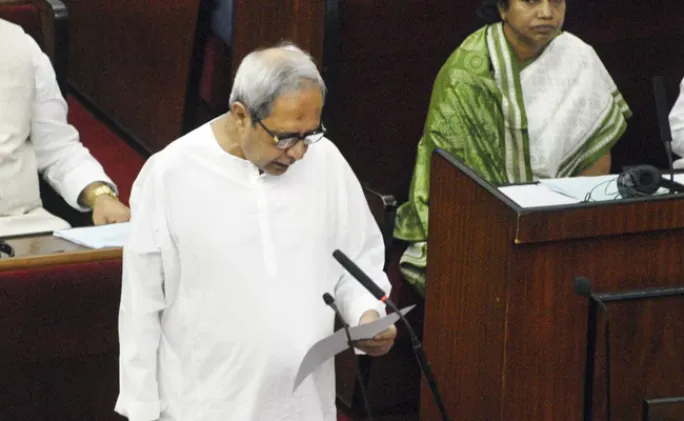
Raising the issue in the State Assembly today, Patnaik also demanded Rs 50 lakh for the families of each deceased victim.
“I stand here today with a heavy heart. Yesterday, I visited SCB Medical College and Hospital in Cuttack. What I witnessed was not just a scene of a tragic accident, but a stark reminder of the crumbling safety standards in our state's premier healthcare institution,” said Patnaik.
“The fire that broke out in the Trauma Care ICU in the early hours of Monday has claimed 11 precious lives. These were patients who came to the hospital with the hope of recovery, only to meet a horrific end due to administrative negligence. My deepest condolences go out to the bereaved families,” said Patnaik.
Welcoming the judicial Enquiry Patnaik said, “A judicial Enquiry is welcome, but it does not absolve the political leadership of its responsibility. The Health Department cannot hide behind 'inquiries' while families mourn.”
“Therefore, I demand the immediate resignation of the Health Minister, Dr. Mukesh Mahaling. He must take moral responsibility for this catastrophic lapse in safety oversight. Further, the current ex-gratia announced is inadequate. I demand Rs 50 lakh for the families of each deceased victim,” said Patnaik.