



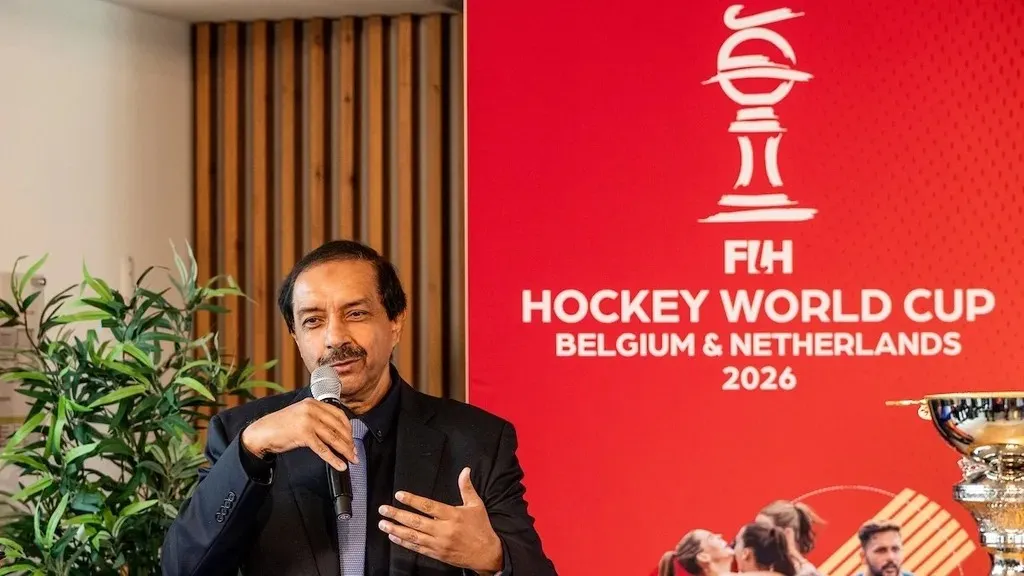
Global hockey teams learn their fate for upcoming tournament
Global hockey enthusiasts can finally start predicting thrilling matchups following the official group stage draw for next year's major tournament. Officials recently gathered at the iconic Wagener Stadium in Amsterdam to determine the preliminary round brackets for the upcoming dual-nation event. This prestigious competition, highly anticipated by fans worldwide, will take place across two premier European venues—Amsterdam and the newly constructed Belfius Hockey Arena located in Wavre, Belgium. The much-awaited matches will run from August 15 through August 30, 2026, promising weeks of top-tier athletic drama.
India Prepares For Familiar Rivals
Fans from Odisha, a state deeply passionate about the sport, will be watching closely as the Indian men's squad prepares for a massive preliminary showdown. Placed in Pool D, they are slated to play against arch-rivals Pakistan, alongside strong competitors England and Wales. These exciting clashes will unfold in the Netherlands, guaranteeing massive international viewership numbers. Meanwhile, the Indian women's team also landed in Pool D for their respective competition bracket. Their preliminary fixtures against China, England, and South Africa will similarly take place on Dutch soil.
Complete Women And Men Groupings
Teams are divided into four distinct groups for both categories. Here are the detailed pool-wise line-ups for the opening stages:
Women's Tournament
Men's Tournament
Ceremony Highlights And Mascot Unveiling
International sporting figures, including FIH President Tayyab Ikram, attended the lively draw event. Ikram highlighted how global sports can unite communities during fractured times, expressing deep gratitude to both host nations for welcoming top-tier athletes. To capture this spirit of unity, organizers introduced two energetic, spherical mascots designed to resemble hockey balls. These playful characters represent the global teamwork central to the sport. Fans will soon have the opportunity to name these two lively figures through an upcoming interactive campaign.

Source: Agency reports and FIH