


ଓଡ଼ିଆ | ENGLISH
ଓଡ଼ିଆ | ENGLISH

azadi-amrut-chai-in-orthodox-elaichi-adrakh-and-masala-flavors-launched

Published By : Satya Mohapatra
azadi-amrut-chai-in-orthodox-elaichi-adrakh-and-masala-flavors-launched

Colonial practice ended to improve infrastructure planning and transparency

India witnessed a massive structural shift in its financial history back in 2017. For over nine decades, the country followed a tradition where the railways presented their own separate budget. However, the government decided to scrap this 92-year-old practice, integrating the Railway Budget merger seamlessly into the main Union Budget.

This colonial-era tradition began in 1924 under British rule. At that time, railway finances were so vast compared to the rest of the administration that a special committee recommended keeping them separate. Even after Independence in 1947, India continued this system. For years, the Railway Minister would stand in Parliament days before the Finance Minister to announce fares, freight rates, and new trains.

Why the Merger Happened

The push for change gained speed in 2016. A committee led by economist Bibek Debroy under NITI Aayog argued that a separate budget was no longer necessary in modern India. They pointed out that India was the only nation still following this outdated method. The experts believed that merging the finances would provide a clearer picture of government spending and help modernize how the railways operated.

Then Railway Minister Suresh Prabhu supported the idea, and Finance Minister Arun Jaitley officially executed the plan. Jaitley presented the first combined budget for the 2017–18 financial year, making history.

Impact on Finances and Planning

Merging the budgets brought several benefits. It eliminated the need for the Indian Railways to pay an annual dividend to the government, which saved the department huge amounts of money. This allowed for better reinvestment in safety and infrastructure. Furthermore, it allowed the government to plan transport strategies holistically, looking at railways, roads, and waterways together rather than in isolation.

Today, while the Ministry of Railways still operates independently, its financial demands are part of the broader national agenda. This move has simplified legislative procedures and ensured that Odisha railway projects and other regional infrastructure needs are viewed through a unified national lens.

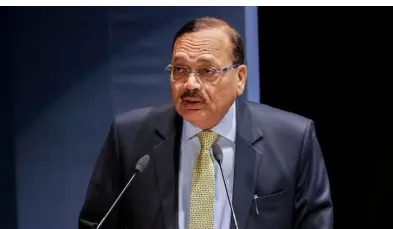
Image Source: CSEP