



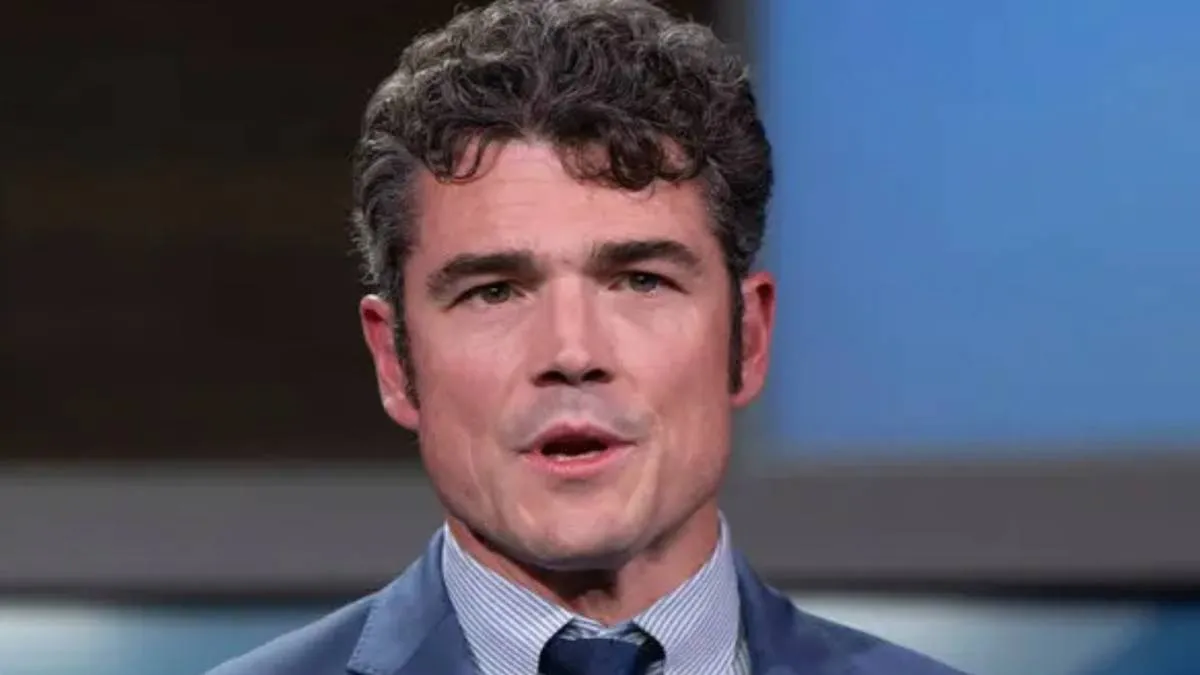
Joseph Kent condemns military actions and steps down immediately
Joseph Kent stepped down from his role as director of the National Counterterrorism Center on Tuesday, delivering a sharp critique of current military actions. His dramatic exit highlights a significant rift within national security circles regarding the ongoing US Iran conflict. In a blunt letter addressed to President Donald Trump, Kent argued that Tehran never posed a direct, immediate danger to American citizens. Foreign pressure largely drove Washington into this war, according to Kent. He pointed specifically to high-ranking Israeli officials and influential domestic lobbying groups, accusing them of spreading misinformation. This echo chamber, he argued, falsely convinced the administration that a quick victory was possible. Kent explicitly stated he could not in good conscience support operations that contradict the America First principles championed during the President’s earlier tenure.
Parallels to Past Military Mistakes
Drawing from extensive personal and professional experience, Kent issued a stark warning against repeating history. Having completed eleven combat deployments, the military veteran understands the cost of war intimately. He also lost his wife, Shannon, in previous overseas combat. Kent compared the current intelligence justifications to the same tactics used to push American forces into the disastrous Iraq War. Sending a new generation to fight in a manufactured crisis serves absolutely no benefit to the public, he stressed.
Violence has rapidly escalated since late February following the death of Supreme Leader Ayatollah Ali Khamenei during joint military strikes. Mojtaba Khamenei has since assumed leadership in Tehran. Retaliatory actions have severely disrupted the region, with Iranian forces targeting international assets across the Gulf. Crucially, the virtual closure of the Strait of Hormuz has choked a vital global energy route, sparking fears of rising fuel costs that could impact global oil prices and economic stability everywhere, including here in India.
With Agency Inputs, Image Source: The Friday Times