
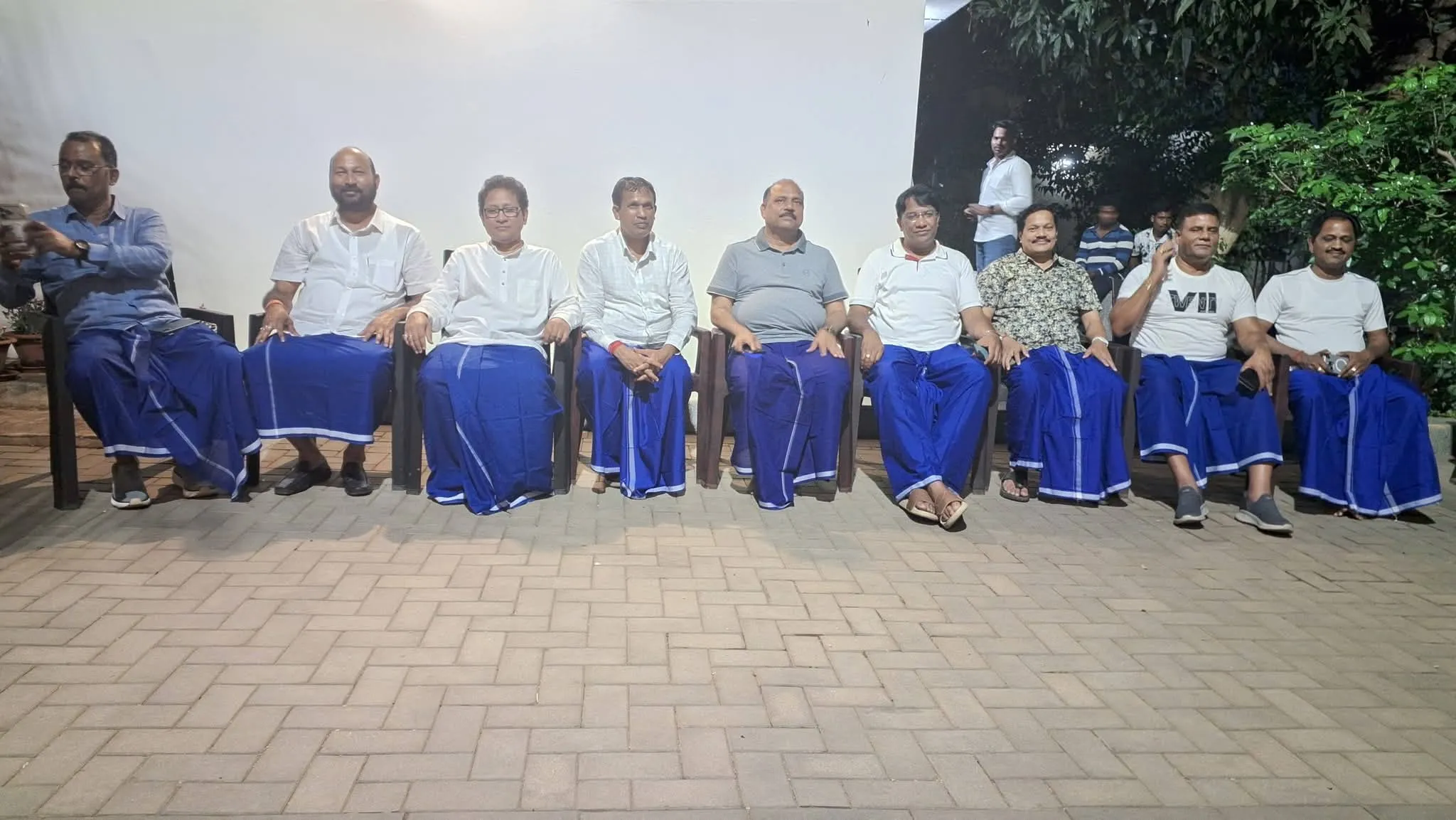
Bhubaneswar, March 15: The Rajya Sabha Elections in Odisha are scheduled for tomorrow. 147 members of the Odisha Legislative Assembly will vote for 4 candidates out of the 5 prominent faces who are in the fray. Meanwhile, the BJD MLAs' night halt at the Naveen Niwas today warmed up state’s political ecosystem before the democratic process.
According to report, at least 40 BJD MLAs are staying in the Naveen Niwas today who will leave for the Odisha Assembly prettily before the Rajya Sabha poll begins on Monday.However, Choudwar MLA Souvic Biwal, Jayadev MLA Naba Kishore Mallick and Baliguda MLA Chakramani Kanhar had not reached the venue by midnight apart from the two suspended Legislators, BJD sources said.
Apart from the Legislators, official nominee for the Rajya Sabha poll Santrupt Mishra & BJD-Congress supported candidate Dr Datteswar Mishra are reportedly staying at the Naveen Niwas tonight.
Elaborate arrangements have been made available in the Naveen Niwas for the night halt of the party Legislators.
The members will altogether move for the polling booth in the morning and vote for their official Candidate Santrupt Mishra and Common Candidate Dr Datteswar Hota, said sources.