
Major Relief for Domestic Fliers across India
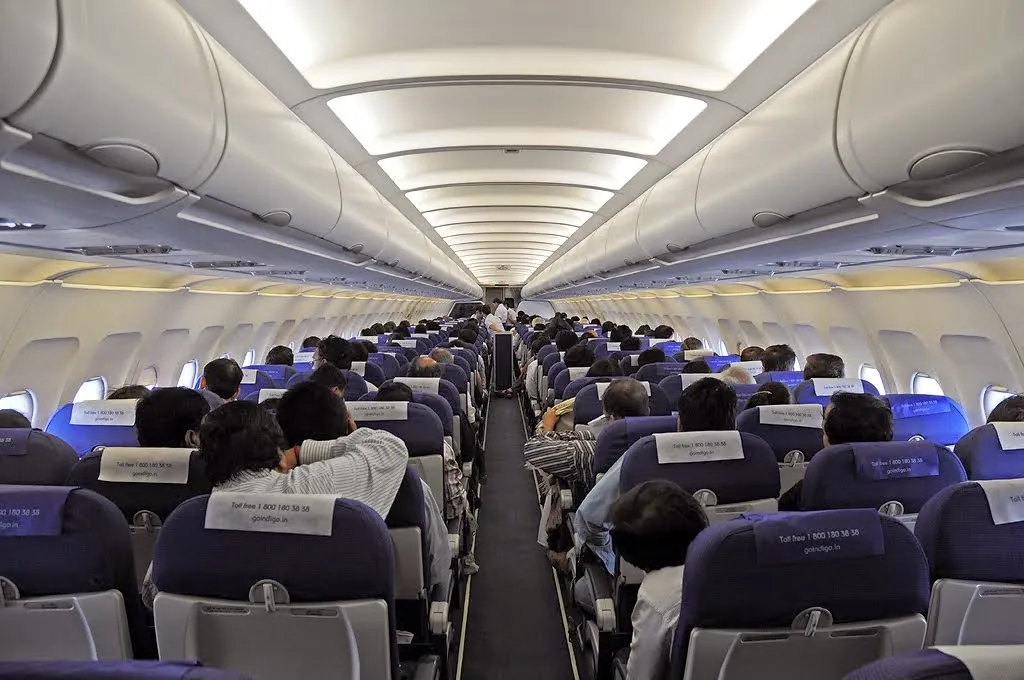
Flying within the country is about to get significantly more comfortable and transparent. In a major move to protect consumer rights, the Ministry of Civil Aviation has issued strict instructions to commercial carriers operating nationwide. Officials have mandated that companies must offer at least sixty percent of their capacity without charging extra fees for seat selection. This decision aims to democratise air travel, ensuring fair access for everyone taking to the skies daily. Finding free airline seats India has become increasingly difficult, making this government intervention highly anticipated by frequent travellers.
DGCA Implements Passenger Friendly Guidelines
Convenience remains a top priority for aviation authorities. Through the Directorate General of Civil Aviation (DGCA), several fresh directives have been introduced to create uniform practices across the industry. This builds on previous initiatives like complimentary airport Wi-Fi and affordable meals at UDAN Yatri Cafés.
To guarantee a smoother journey, the government has detailed specific rules:
Recent Changes To Ticket Cancellation Norms
India currently ranks as the third-largest domestic aviation market worldwide, processing over five lakh daily passengers. To support this massive volume, authorities are actively working to standardise operations and reduce hidden costs.
Beyond seating allocations, officials recently overhauled ticket refund procedures. Flyers now have a 48-hour grace period post-booking to cancel or modify their itineraries without penalty, provided specific conditions are met. Correcting minor name errors within 24 hours of a direct booking is also now completely free. Furthermore, the revised framework includes special provisions for cancellations caused by verified medical emergencies. Even when booking through third-party travel agents, carriers hold the ultimate responsibility for processing refunds within a 14-day window, ensuring travelers are not left waiting for their money.