


Mumbai, March 17: NPCI International Payments Limited (NIPL) has strengthened Unified Payments Interface (UPI) merchant acceptance in Sri Lanka to enhance cross-border payment experiences for Indian tourists.
The initiative is aimed at supporting Sri Lanka's growing digital economy while reinforcing economic and cultural ties between India and Sri Lanka.
"NPCI International is committed to building trusted, interoperable payment corridors that bring countries closer through technology. Our engagement in Sri Lanka reflects a shared vision to enhance digital payment acceptance, simplify travel and commerce for millions of people, and create value for local businesses and the wider economy," said Ritesh Shukla, MD & CEO, NPCI International.
"Through our partnership with LankaPay, we are advancing seamless, secure, and real-time transactions that strengthens the economic partnership between India and Sri Lanka," he added.
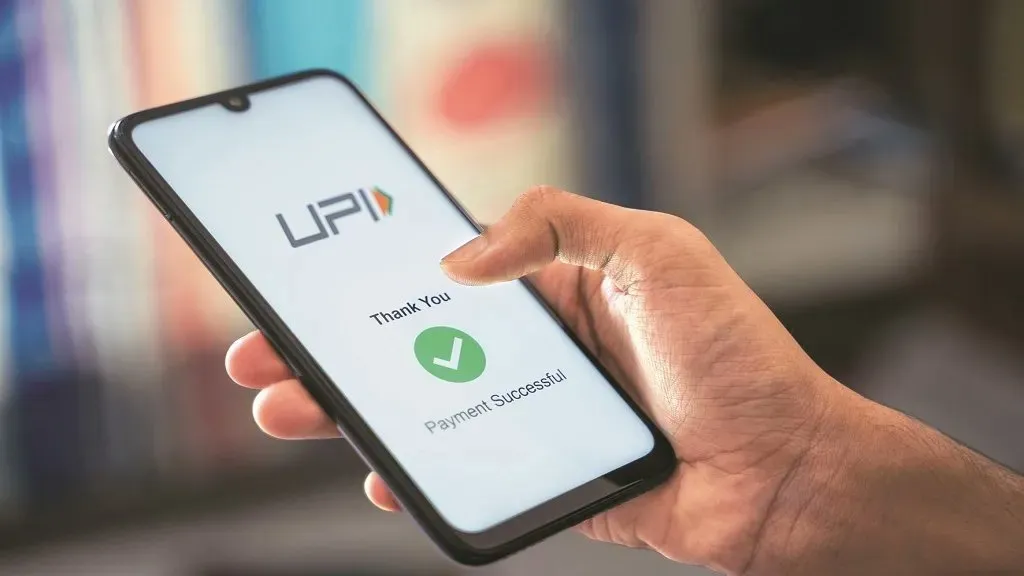
UPI, India's real-time payment system, enables instant account-to-account transactions via mobile applications and processes over 20 billion financial transactions monthly.
India continues to be the leading source of tourists to Sri Lanka, with over 4,16,000 Indian visitors in 2024, rising to 5,31,000 in 2025.
Under the collaboration between NPCI International and LankaPay, Indian tourists can make payments across Sri Lanka by scanning LankaQR codes using UPI-enabled apps, reducing the need for physical cash.
UPI payments are already enabled at several establishments including Cinnamon Hotels, Taj Hotels, Barista, Keells Supermarket and Odel.
Highlighting the benefits, the release stated, "For travellers, UPI offers the convenience of real-time payments, transparent exchange rates, and a familiar, secure payment experience."
"For merchants, UPI provides access to a large, digitally savvy customer base, improves cash management, reduces dependence on physical currency and enhances operational efficiency," it added.
NIPL said it will continue working with Sri Lankan regulators, banks and merchants to expand UPI acceptance across sectors such as hospitality, retail and tourism. (ANI)