



Global oil tensions and banking fears panic Dalal Street
Dalal Street witnessed massive panic on Thursday as a devastating stock market crash erased significant investor wealth. Sensex plummeted by more than 1,800 points, closing near the 74,856 mark, while Nifty shed nearly 2.4% to settle around 23,211. Multiple domestic and global factors perfectly aligned to drag down the Indian share market update today.
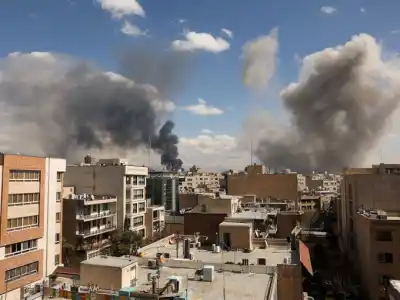
Escalating conflicts in the Middle East serve as the primary catalyst for this massive selloff. Crude oil price hike fears became reality after a major Iranian LNG facility was struck, pushing Brent crude past the $111 per barrel threshold. Naturally, this sudden energy shock worries policymakers. India relies heavily on imported oil, meaning prolonged elevated prices will inevitably increase inflation and squeeze corporate profits.
Market experts warn that if oil remains above $110, domestic macroeconomic growth will suffer greatly. Furthermore, strict US Federal Reserve policies and a strong dollar continue to pull foreign institutional investment away from emerging markets.
Banking shares took a severe beating, leading the downward charge. HDFC Bank share drop concerns dominated trading floors following the unexpected departure of part-time chairman Atanu Chakraborty. His resignation, citing a misalignment of personal ethics with internal bank practices, sent shockwaves through the financial sector. Shares of the banking giant tumbled by over 5% to hover near Rs 800. Fellow financial institutions like State Bank of India, Axis Bank, and ICICI Bank also faced intense selling pressure.
Panic quickly spread far beyond banking, resulting in widespread losses across nearly all industries. Rising aviation fuel costs dragged IndiGo shares down by over 3%. Tech giants like Wipro, Infosys, and TCS succumbed to negative global cues, while major finance firms like Bajaj Finance experienced steep declines. Interestingly, Coal India managed to stay afloat, benefiting directly from the global energy price surge.
Odisha stock investors should prepare for continued turbulence. While the Sensex plunge today paints a grim picture, financial analysts suggest that any sudden easing of Middle Eastern tensions could trigger a rapid market recovery. Until then, caution remains the best strategy for local market participants tracking this investment news Odisha.
Disclaimer: Expert opinions and trading recommendations shared on this platform belong solely to the individual contributors and do not represent the official stance of the website or its leadership. Readers are strongly encouraged to consult with SEBI-registered professionals or certified financial advisors before committing to any market transactions.