
Mysterious Persian radio broadcasts spark fears of global undercover operations
Recent reports from US intelligence indicate a surge in coded radio transmissions, raising alarms that Tehran may be mobilizing its covert assets. Following the high-profile elimination of Ayatollah Ali Khamenei in a joint US-Israeli operation, monitors detected "number stations" broadcasting in Persian. These mysterious shortwave signals, a relic of Cold War espionage, are often used to send uncrackable instructions to undercover agents living deep within foreign borders.
Cold War Tactics in a Modern Conflict
Intelligence analysts noted a specific male voice repeating the phrase "Tavajjoh! Tavajjoh!"—which translates to "Attention!" in Persian. This was followed by a series of random-sounding digits. Historically, organizations like the CIA and KGB utilized these one-time pad codes because they are nearly impossible to intercept or decode without the specific matching key. The sudden reappearance of this method suggests that Iranian sleeper cells may have received "operational triggers" to begin retaliatory strikes.
Strategic Elimination of Iranian Leadership
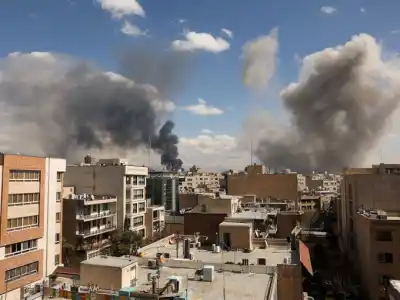
While these signals echo through the airwaves, the physical infrastructure of the Iranian regime is facing unprecedented pressure. Israeli forces have shifted from hitting massive command centers to hunting individual leaders in their most private hideouts. Ali Larijani, once considered the de facto successor to Khamenei, was recently neutralized in a precision strike on the outskirts of Tehran.
Intelligence Networks and Local Informants
The effectiveness of these strikes relies heavily on a combination of high-tech surveillance and human intelligence. Reports suggest that even Gholamreza Soleimani, the head of the Basij militia, was located after civilians provided tips to Israeli intelligence. This breakdown in internal loyalty shows a regime struggling to maintain control. Beyond missiles, psychological warfare is being waged via direct phone calls to Iranian commanders, warning them that their locations are compromised.
President Donald Trump recently confirmed that federal agencies are closely monitoring several groups within the United States. Potential threats range from cyberattacks on power grids to "lone-wolf" actions by sympathizers. With the Iranian security apparatus in disarray, experts believe the regime's proxies may become more desperate, relying on these Iranian sleeper cells to strike back where they are least expected.