Major economic pact creates massive twenty-seven trillion dollar market opportunity
The world is reacting with overwhelming positivity to the finalizedIndia–EU FTA, a pact now famously dubbed the "mother of all trade deals".This agreement is not merely a commercial contract; it represents a monumental shift in global geopolitics and economics.By bridging the gap between the world's largest trading bloc and its fastest-growing major economy, the deal establishes a combined market valued at an staggering $27 trillion.
The scale of theIndia–EU FTAis unprecedented.Under the terms of the agreement, the European Union will eliminate tariffs on$99.5\%$of Indian goods over the next seven years.Conversely, India will slash or remove duties on$96.6\%$of EU exports.One of the most significant changes for consumers and industry involves the automotive sector, where import duties on cars could plummet from over$100\%$to as low as$10\%$, while duties on auto components will be completely removed.
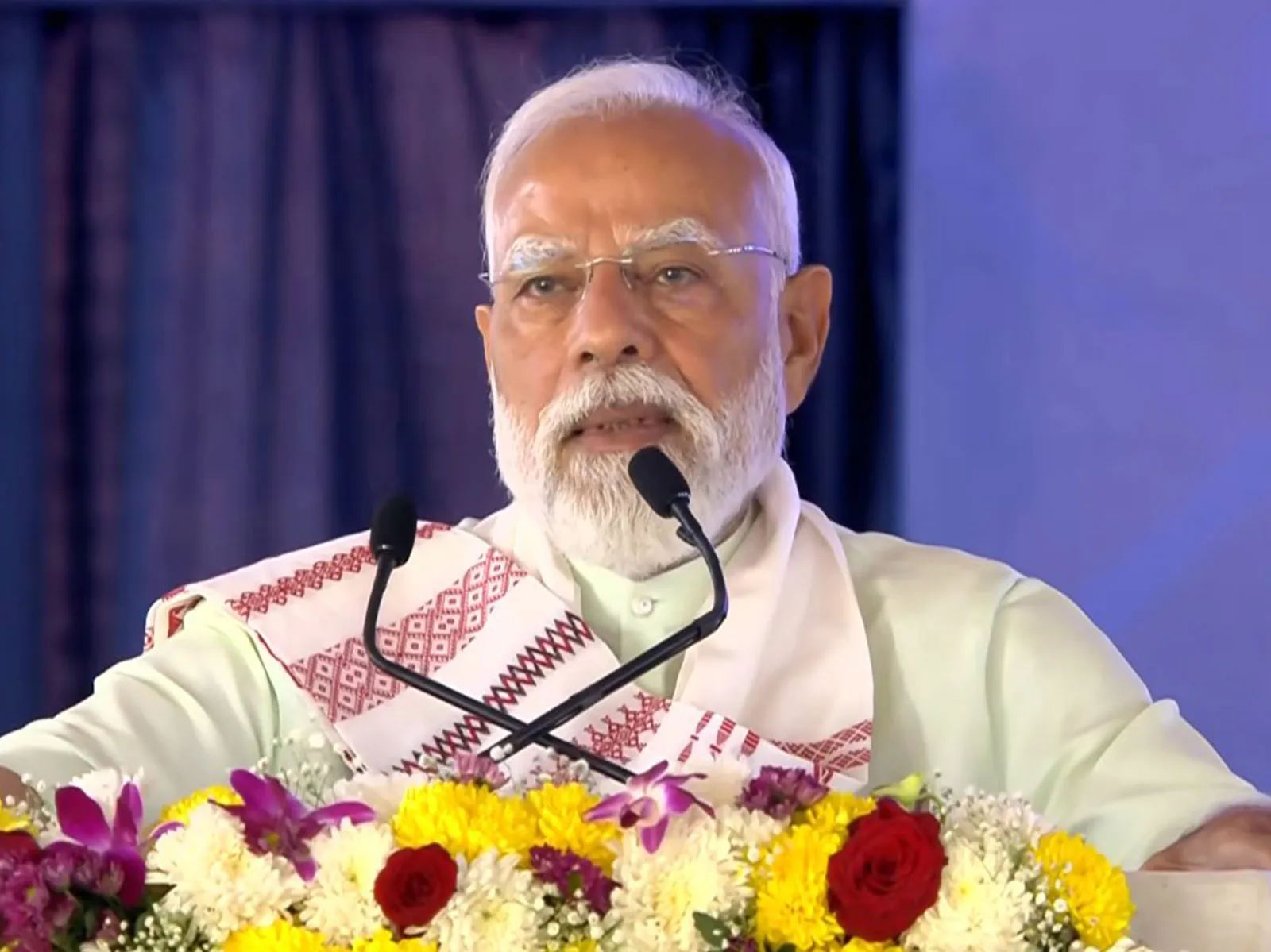
International news outlets have been quick to highlight India’s rising status.The Telegraphdescribed Prime Minister Modi as the "real winner" in this strategic victory.The Wall Street Journalframed the deal as a vital move by middle powers to stabilize global trade amid unpredictable U.S. trade policies.Experts from the Kiel Institute for the World Economy predict that this deeper integration could boost bilateral trade by up to$65\%$and noticeably raise real incomes on both sides.
Political heavyweights across Europe have voiced their support for theIndia–EU FTA:
The global business community views this as a "long-awaited breakthrough".Leaders from major German automakers like Volkswagen, BMW, and Mercedes-Benz have praised the deal for strengthening global supply chains.Airbus executives have reiterated their commitment to "Make in India," citing the FTA as an accelerator for aerospace and defense technology transfers.
For regional players, including those in Odisha's burgeoning industrial sectors, the deal opens doors.With reduced tariffs, Indian exporters—particularly in machinery, textiles, and agri-foods—will find it much easier to compete against neighboring countries like Pakistan and Bangladesh, who may struggle to match India's new competitive edge in the European market.
Beyond the numbers, theIndia–EU FTAis about resilience.It allows the EU to diversify its partnerships and increase its strategic autonomy.As Richard Rossow of CSIS pointed out, India’s recent string of ambitious trade deals signals a shift toward a more open, globally integrated economy that will help the nation achieve its long-term development goals.