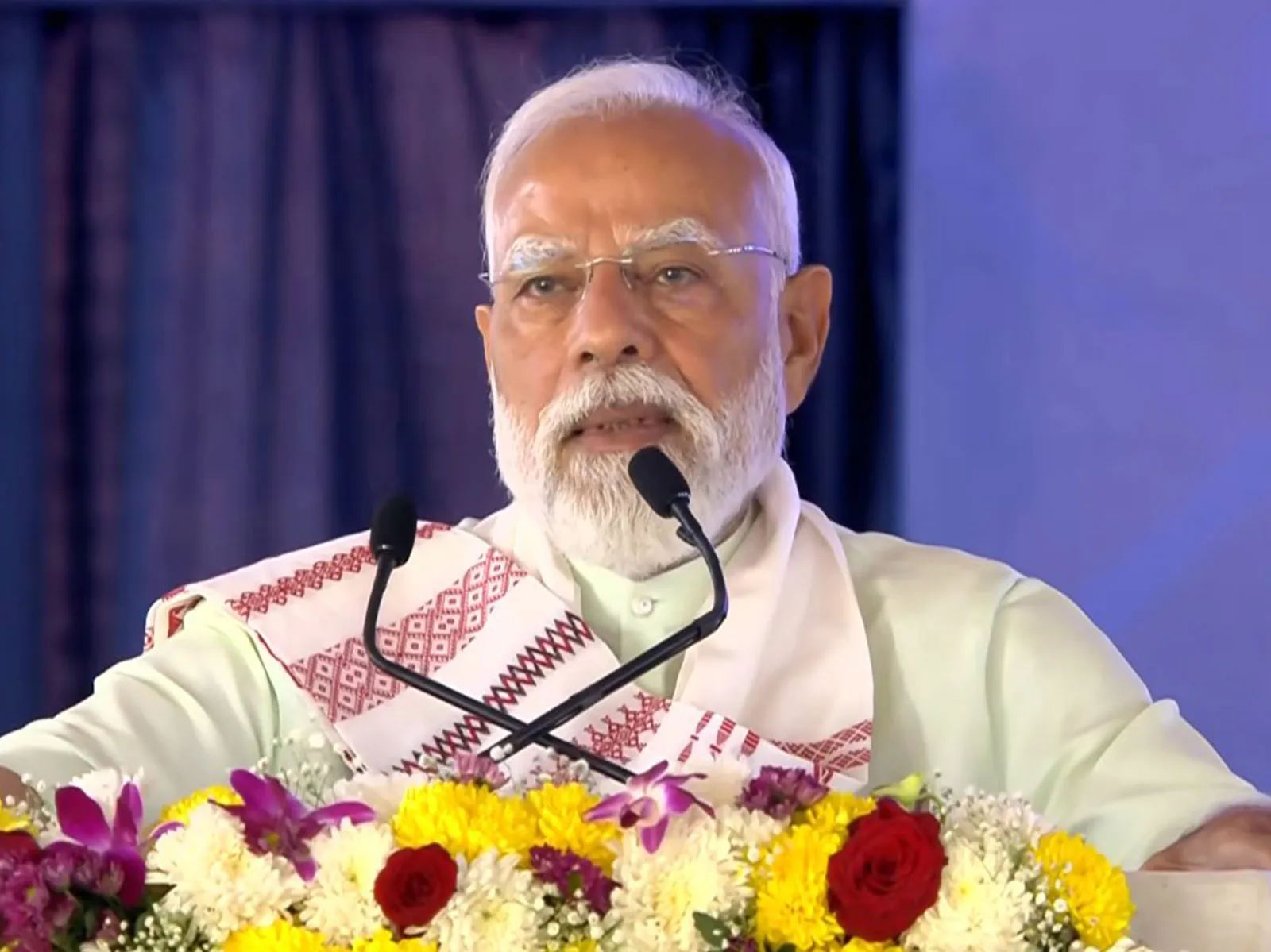
Delhi, March 17: Prime Minister spoke with Sheikh Mohamed bin Zayed Al Nahyan, President of the UAE, and conveyed advance Eid greetings. PM Modi and the President discussed the current situation in West Asia.
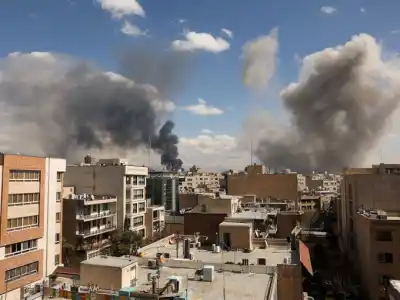
The Prime Minister reiterated India’s strong condemnation of all attacks on the UAE that have resulted in loss of innocent lives and damage to civilian infrastructure.
The Prime Minister and the UAE President agreed on the importance of ensuring safe and free navigation through the Strait of Hormuz. Shri Modi emphasized that both nations will continue to work together for the early restoration of peace, security, and stability in the region.
The Prime Minister wrote on X; "Spoke with my brother HH Sheikh Mohamed bin Zayed Al Nahyan, President of the UAE and conveyed advance Eid greetings.We discussed the current situation in West Asia. Reiterated India’s strong condemnation of all attacks on the UAE that have resulted in loss of innocent lives and damage to civilian infrastructure. We agreed on the importance of ensuring safe and free navigation through the Strait of Hormuz.We will continue to work together for the early restoration of peace, security and stability in the region."