New Delhi,March 8: National Commission for Women (NCW) chairperson Vijaya Rahatkar on Sunday extended wishes on International Women's Day and also hailed MoCWD's initiative of 'Shakti Walk' organised at the Kartavya Path.
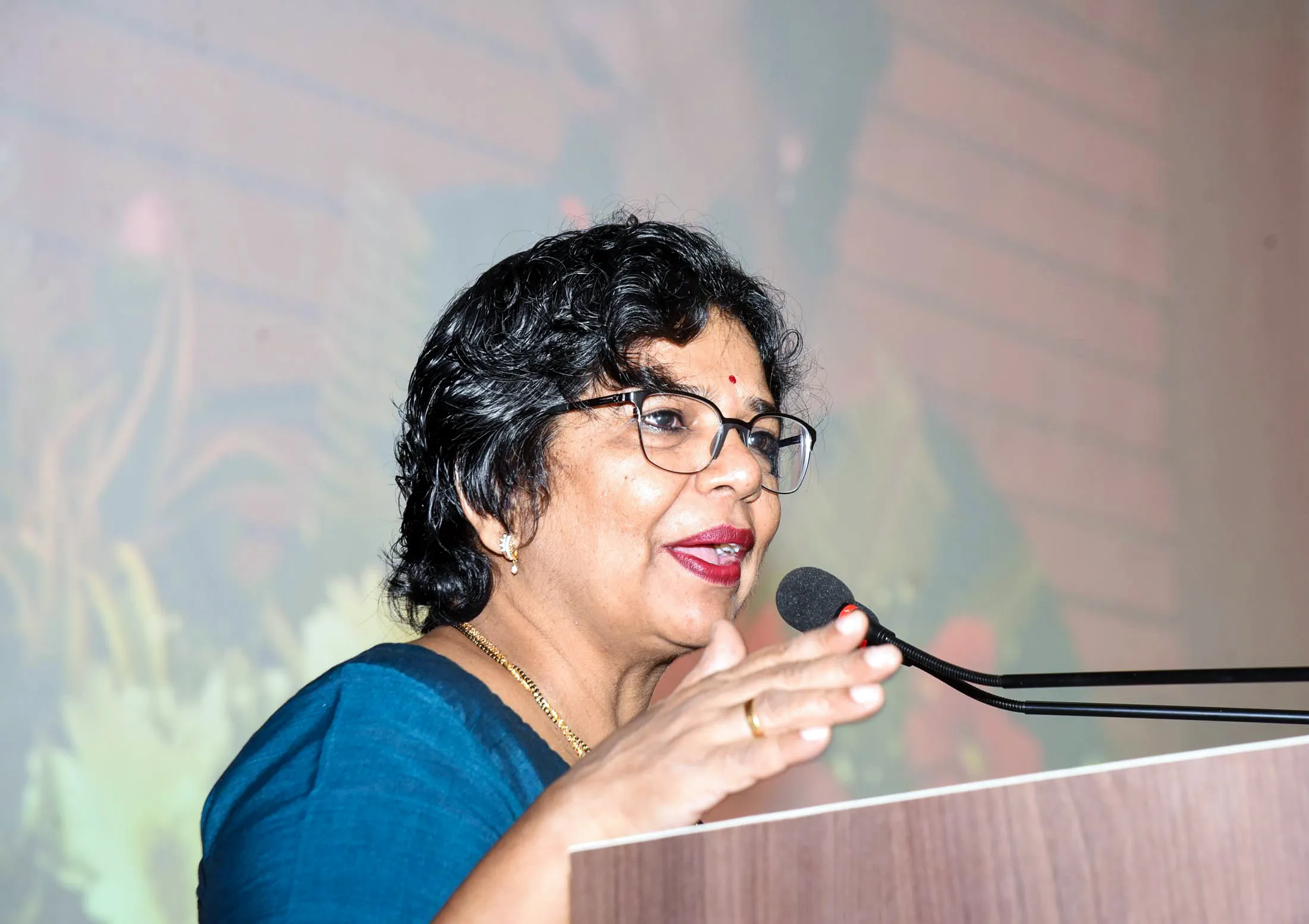
Speaking to media, Rahatkar said that the initiative will create awareness about women-related policies, while also hailed goverment's efforts for women's welfare in each sector, including health and education.
"It is International Women's Day. I extend my best wishes to everyone on this Women's Day. Today, the Ministry of Women and Child Development of India has organised a walkthrough on the Kartavya Path in a very wonderful way... Along with this, awareness will also be created about the policies made for women... Along with this, excellent funds are being created. Their health is being taken care of. They are getting a very good place in education today. Women will use all these things and will come forward for the development of the country," Rahatkar said.
The Ministry of Women and Child Development (MWCD) on Sunday organised a women-led walk titled "Shakti Walk #SheLeadsBharat" along Kartavya Path in New Delhi as part of the celebrations of International Women's Day, according to Ministry of Women and Child Development.
International Women's Day, observed globally on March 8, celebrates the achievements, leadership, and contributions of women across all spheres of life and reaffirms the collective commitment towards gender equality, safety, dignity, and empowerment. In this spirit, the Shakti Walk is being organised to highlight the central role of women in shaping a progressive and inclusive Bharat.The Shakti Walk aims to celebrate women's leadership and contributions across sectors, reinforce the Government's commitment to women's safety, security, and empowerment, showcase flagship schemes and initiatives benefiting women, foster solidarity and collective pride among women from diverse backgrounds, and promote the message that women-led development remains central to national progress.
The walk will take place covering an approximate 2-kilometre stretch from India Gate to Vijay Chowk along Kartavya Path.
The event is expected to witness participation of around 3000 women from more than 150 Ministries, Departments and Organisations, including representatives from the Armed Forces, police, media, healthcare, sports, government institutions, industry and grassroots organisations. Participants will walk together under the theme #SheLeadsBharat, highlighting the central role women play in shaping a progressive and inclusive India.
Women officers from various Ministries and Departments of the Government of India have also been invited to participate. The programme will witness the participation of representatives from international organisations too.
The walk will be led by women public representatives, including Union Ministers, Ministers of State, Members of Parliament, MLAs, and other distinguished women leaders and prominent personalities from diverse fields.
The programme will begin with brief addresses by dignitaries, followed by the ceremonial flag-off of the walk.
Installations showcasing key Government schemes for women, as well as the achievements of women across diverse sectors, will be displayed along Kartavya Path.
A curated cultural presentation at India Gate will celebrate the spirit of womanhood and national pride. The performances will include Dollu Kunitha, Kalaripayattu, Sringarimelam, Ranchandi and Ghoomar, representing the rich cultural diversity and strength of women across India.
A curated cultural presentation at India Gate will celebrate the spirit of womanhood and national pride, beginning with a mass rendition of Vande Mataram. Balloons carrying the message "Shakti Walk - #SheLeadsBharat" will also be released.
The celebrations recognise the pivotal role of women in realising the vision of Viksit Bharat 2047.