


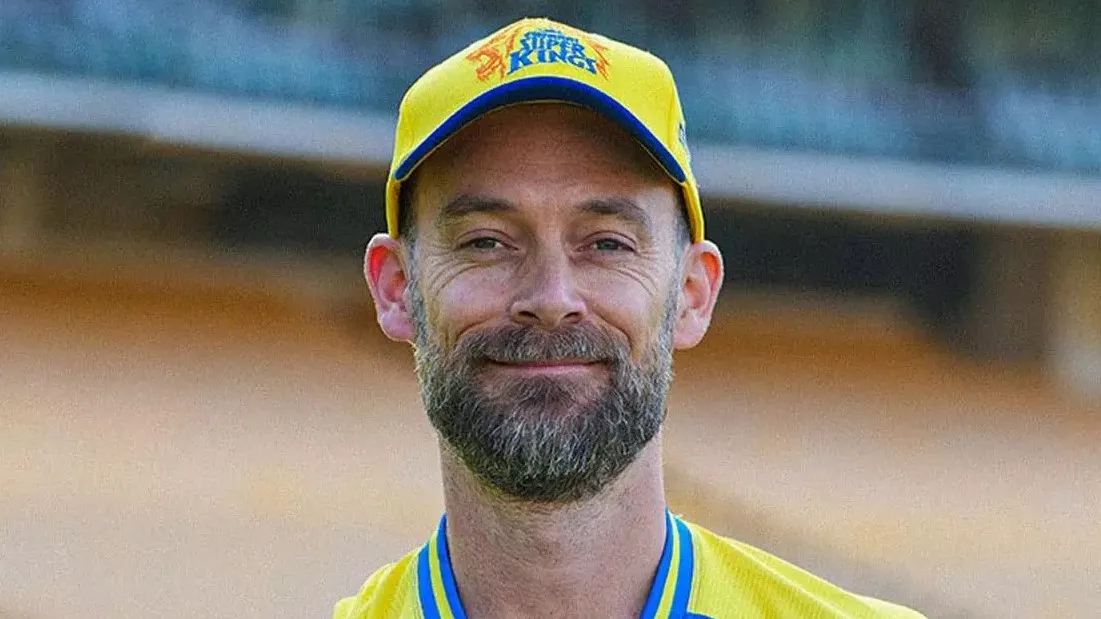
James Foster joins Chennai coaching staff to improve fielding performance
Former England wicketkeeper James Foster has officially joined the Chennai Super Kings as their new fielding coach for the 2026 season. This strategic move is part of a major overhaul within the franchise's coaching department. Following a difficult run in the previous edition where the team finished at the bottom of the standings, the management is determined to refresh their tactics and support system.
Foster enters a high-profile coaching group led by head coach Stephen Fleming. He will be working alongside established names like batting coach Michael Hussey and bowling coach Eric Simons. The 45-year-old expert brings a wealth of international and franchise experience to the Yellow Army. Having represented England between 2001 and 2009, his technical knowledge as a keeper is expected to be a massive asset for the squad's glovemen.
Proven Track Record in Franchise Cricket
Before this appointment, Foster built an impressive resume across various global leagues. He spent several years with the Kolkata Knight Riders between 2020 and 2023, helping them reach the finals in 2021. More recently, he tasted success as a head coach by leading the Desert Vipers to a title in the ILT20. His recent roles also include an assistant coaching position with Birmingham Phoenix in the United Kingdom.
One of Foster's primary responsibilities at CSK will involve working closely with the team's wicketkeepers. This includes the iconic MS Dhoni and the blockbuster new signing, Sanju Samson. Samson, who recently earned the "Player of the Tournament" title during the T20 World Cup, is expected to benefit significantly from Foster's specialized drills.
CSK is looking to turn its fortunes around after winning only four matches in the last tournament. With a revamped roster and specialized coaching, the five-time champions are focused on a strong comeback. Their journey in IPL 2026 begins on March 30 with a high-stakes encounter against the Rajasthan Royals in Guwahati.