

India moves closer to establishing integrated military theatre commands
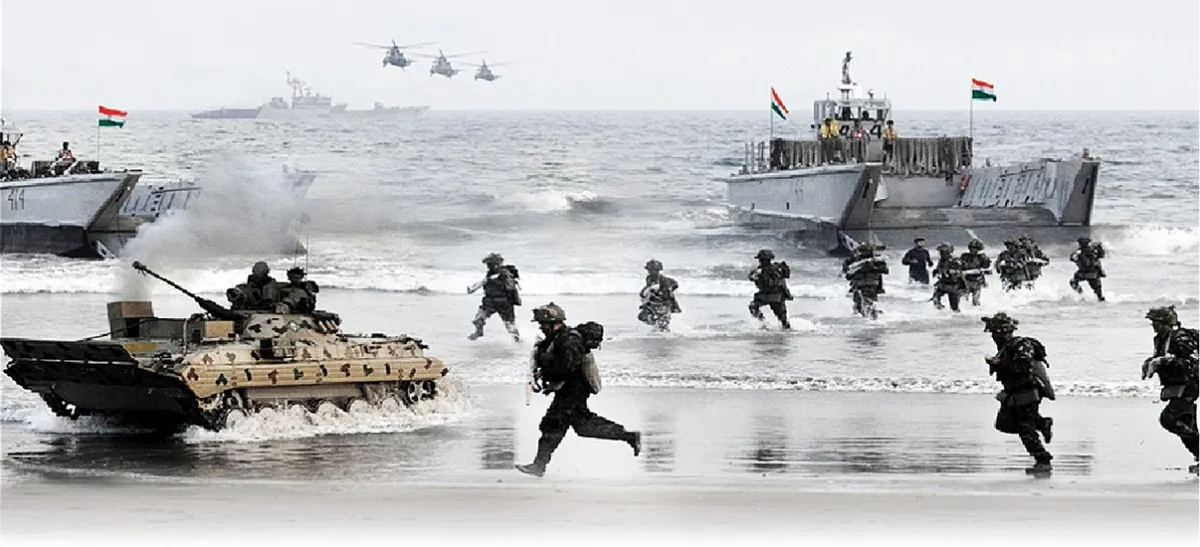
India is currently on the verge of approving a historic military overhaul that will finally integrate its armed forces. For nearly two decades, discussions about reorganising the army, navy, and air force into unified theatre commands remained stuck in long planning stages. Now, with General NS Raja Subramani acting as the Chief of Defence Staff, a concrete proposal is heading to Defence Minister Rajnath Singh.
Current military structures require each branch to operate independently, which slows down response times during emergencies. This outdated approach will change dramatically under the new framework. Instead of coordinating loosely, military assets in specific regions will fall under a single four-star officer.
Three Main Formations
Military planners have designed three primary zones to streamline national security. One command will focus on the northern border with China, another will manage the western frontier with Pakistan, and a maritime command will protect coastal waters.
Resolving Internal Challenges
Transitioning to this modern system has not been easy for the defence establishment. Combining three distinct service cultures involves complex decisions about resource allocation and command authority. Service chiefs will maintain responsibility for training and equipping troops, while theatre commanders will take charge of actual combat deployment. Balancing this power dynamic remains one of the final hurdles before official submission.
Path towards Final Approval
Once the defence minister officially clears the file, it goes to the Cabinet Committee on Security for the ultimate decision. If approved, India will proudly join elite global military powers like the United States that already utilise joint operations. Implementing this strategy will take years, as personnel reassignments and doctrinal shifts require careful execution.