


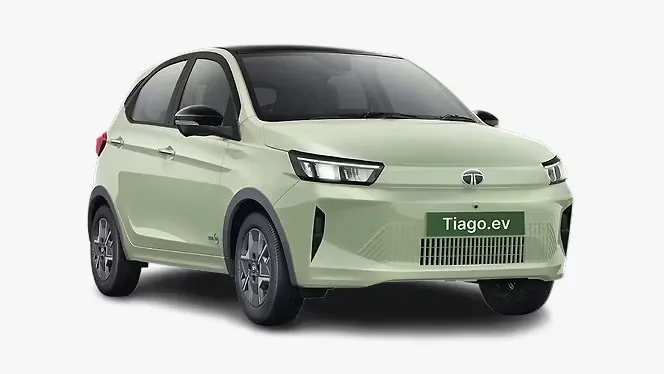
Budget electric mobility evolves with smarter styling and technology
Tata Motors has officially launched its refreshed entry-level electric hatchback in India with an aggressive starting price of Rs 6.99 lakh (ex-showroom).This pricing update represents a strategic cost reduction compared to previous variants, establishing a highly competitive baseline in the domestic green mobility market.Buyers looking for alternative financing can leverage a unique Battery-as-a-Service model, lowering initial entry costs to Rs 4.69 lakh while introducing a minor usage-based running fee.For the initial registered owner of the larger battery variant, the manufacturer provides a lifetime unlimited kilometer warranty on the high-voltage pack to address long-term battery degradation concerns.
Advanced Safety Integration
Occupant protection receives a major enhancement through structural rigidity adjustments and upgraded safety systems.Six airbags now protect occupants as standard equipment across all variants, moving away from the previous base-level layouts.Drivers gain access to a 360-degree camera network and a blind-view monitor to navigate dense urban traffic comfortably.Electronic stability control, traction management, hill hold assist, and torque vectoring via the braking system round out the electronic safety updates.
Refined Cabins and Smart Charging
Inside, a revised dual-tone black and grey layout replaces the previous design choices.Standard fabric upholstery covers the seating, while the dashboard incorporates a free-standing 10.25-inch infotainment screen with wireless smartphone pairing.Comfort upgrades include specialized rear air vents, dual wireless device chargers, and high-output Type-C USB slots.In Odisha, where the capital city Bhubaneswar has been rapidly expanding its municipal charging infrastructure, these cabin convenience updates align perfectly with evolving consumer demands for daily cross-city commutes.
Energy Packs and Driving Range
Powertrain options maintain continuity through dual lithium-ion battery choices of 19.2kWh and 24kWh.The smaller energy system generates 62 horsepower and 110Nm of torque, achieving a certified 226km driving limit.Opting for the larger cell setup yields 75 horsepower and 114Nm of torque, though official testing logs a revised range limit of 285km.Utilizing a 30kW direct-current fast charger restores energy from 10 to 80 percent within 35 minutes, providing quick turnaround times for urban motorists